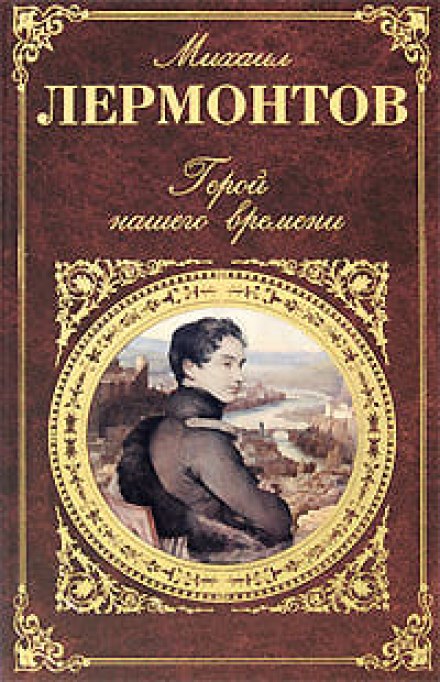
Герой нашого часу
6 год. 22 хв.
Опис
Роман складається з кількох частин, хронологічний порядок яких порушено. Таке розташування має спеціальні художні завдання: зокрема, спершу Печорин показується очима Максима Максимича, а лише потім ми бачимо його зсередини — за записами з щоденника.
«Бела»
Це вкладений розповідний епізод: оповідь веде Максим Максимич, який розповідає свою історію неназваному офіцерові, що зустрівся йому на Кавказі. Печорин, нудьгуючи в гірській глушині, починає службу з крадіжки чужого коня та викрадення коханої дочки місцевого князя — що викликає відповідну реакцію горців. Але Печорину до цього діла немає. За необережним вчинком молодого офіцера настає обвал драматичних подій: назавжди залишає родину Азамат, від руки Казбіча гине Бела.
«Максим Максимич»
Ця частина примикає до «Бели», не має самостійного значення як новела, але для композиції роману загалом вона цілком важлива. Тут читач уперше зустрічає Печоріна віч-на-віч. Зустріч старих приятелів не відбувається: це радше коротка розмова з прагненням одного з співрозмовників якнайшвидше її закінчити. Оповідь побудована на контрасті двох протилежних персонажів — Печоріна та Максима Максимича. Портрет подається очима офіцера-оповідача. У цій главі робиться спроба розгадати «внутрішнього» Печоріна через зовнішні «мовні» риси.
«Тамань»
Повість розповідає не про роздуми Печоріна, а показує його з активного, діяльного боку. Тут Печорин несподівано для себе стає свідком розбійницької діяльності. Спершу Печорин думає, що людина, яка припливла з іншого берега, ризикує життям заради чогось справді цінного, але насправді це лише контрабандист. Печорин дуже розчарований. Та все одно, від’їжджаючи, він не шкодує, що побував у цьому місці. Головний зміст — в останніх словах Печоріна: «І навіщо було долі закинути мене в мирне коло чесних контрабандистів? Як камінь, кинутий у гладеньке джерело, я розбурхав їхній спокій, і як камінь мало сам не пішов на дно!»
«Княжна Мері»
Повість написана у формі щоденника. За життєвим матеріалом «Княжна Мері» найближча до так званої «світської повісті» 1830-х років, але Лермонтов наповнив її іншим змістом.
Повість починається з прибуття Печоріна до П’ятигорська на лікувальні води, де він знайомиться з княгинею Лиговською та її дочкою, яку за англійською манерою звуть Мері. Крім того, тут він зустрічає свою колишню любов Віру та приятеля Грушницького. Юнкер Грушницький — позер і таємний кар’єрист — виступає контрастним персонажем до Печоріна.
За час перебування у Кисловодську та П’ятигорську Печорин закохує в себе княжну Мері й свариться з Грушницьким. Він убиває Грушницького на дуелі та відмовляє княжні Мері. Через підозру у дуелі його знову заслали — цього разу до фортеці. Там він знайомиться з Максимом Максимичем.
«Фаталіст»
Події відбуваються в козацькій станиці, куди прибуває Печорин. Він гостює, а компанія грає в карти. Згодом їм це набридає, і зав’язується розмова про напередвизначення та фаталізм, у який дехто вірить, а дехто — ні. Починається суперечка між Вуличем і Печоріним: Печорин каже, що бачить явну смерть на обличчі Вулича. Унаслідок суперечки Вулич бере пістолет і стріляє в себе, але стається осічка. Усі розходяться по домівках. Невдовзі Печорин дізнається про смерть Вулича: його зарубав шаблею п’яний козак. Тоді Печорин вирішує випробувати долю й упіймати козака. Він проривається до нього в дім; козак стріляє, але мимо. Печорин хапає козака, приїжджає до Максима Максимича й розповідає йому все.
«Бела»
Це вкладений розповідний епізод: оповідь веде Максим Максимич, який розповідає свою історію неназваному офіцерові, що зустрівся йому на Кавказі. Печорин, нудьгуючи в гірській глушині, починає службу з крадіжки чужого коня та викрадення коханої дочки місцевого князя — що викликає відповідну реакцію горців. Але Печорину до цього діла немає. За необережним вчинком молодого офіцера настає обвал драматичних подій: назавжди залишає родину Азамат, від руки Казбіча гине Бела.
«Максим Максимич»
Ця частина примикає до «Бели», не має самостійного значення як новела, але для композиції роману загалом вона цілком важлива. Тут читач уперше зустрічає Печоріна віч-на-віч. Зустріч старих приятелів не відбувається: це радше коротка розмова з прагненням одного з співрозмовників якнайшвидше її закінчити. Оповідь побудована на контрасті двох протилежних персонажів — Печоріна та Максима Максимича. Портрет подається очима офіцера-оповідача. У цій главі робиться спроба розгадати «внутрішнього» Печоріна через зовнішні «мовні» риси.
«Тамань»
Повість розповідає не про роздуми Печоріна, а показує його з активного, діяльного боку. Тут Печорин несподівано для себе стає свідком розбійницької діяльності. Спершу Печорин думає, що людина, яка припливла з іншого берега, ризикує життям заради чогось справді цінного, але насправді це лише контрабандист. Печорин дуже розчарований. Та все одно, від’їжджаючи, він не шкодує, що побував у цьому місці. Головний зміст — в останніх словах Печоріна: «І навіщо було долі закинути мене в мирне коло чесних контрабандистів? Як камінь, кинутий у гладеньке джерело, я розбурхав їхній спокій, і як камінь мало сам не пішов на дно!»
«Княжна Мері»
Повість написана у формі щоденника. За життєвим матеріалом «Княжна Мері» найближча до так званої «світської повісті» 1830-х років, але Лермонтов наповнив її іншим змістом.
Повість починається з прибуття Печоріна до П’ятигорська на лікувальні води, де він знайомиться з княгинею Лиговською та її дочкою, яку за англійською манерою звуть Мері. Крім того, тут він зустрічає свою колишню любов Віру та приятеля Грушницького. Юнкер Грушницький — позер і таємний кар’єрист — виступає контрастним персонажем до Печоріна.
За час перебування у Кисловодську та П’ятигорську Печорин закохує в себе княжну Мері й свариться з Грушницьким. Він убиває Грушницького на дуелі та відмовляє княжні Мері. Через підозру у дуелі його знову заслали — цього разу до фортеці. Там він знайомиться з Максимом Максимичем.
«Фаталіст»
Події відбуваються в козацькій станиці, куди прибуває Печорин. Він гостює, а компанія грає в карти. Згодом їм це набридає, і зав’язується розмова про напередвизначення та фаталізм, у який дехто вірить, а дехто — ні. Починається суперечка між Вуличем і Печоріним: Печорин каже, що бачить явну смерть на обличчі Вулича. Унаслідок суперечки Вулич бере пістолет і стріляє в себе, але стається осічка. Усі розходяться по домівках. Невдовзі Печорин дізнається про смерть Вулича: його зарубав шаблею п’яний козак. Тоді Печорин вирішує випробувати долю й упіймати козака. Він проривається до нього в дім; козак стріляє, але мимо. Печорин хапає козака, приїжджає до Максима Максимича й розповідає йому все.
100%
1:42:04
ge1
1:18:29
ge2
1:16:19
ge3
59:53
ge4
1:05:56
ge5
