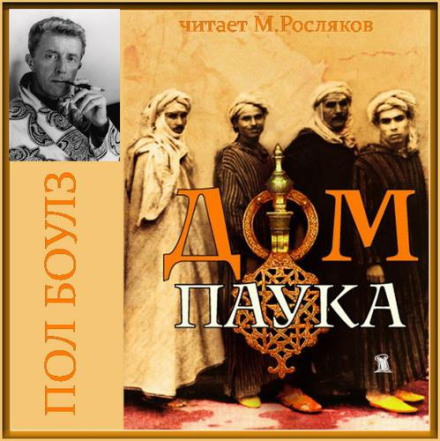
Дім павука
19 год. 17 хв.
Опис
Герої роману — цинічний письменник Стенхем, американська туристка Лі та юний підмайстер гончара Амар — опиняються в центрі політичного урагану — повстання марокканців проти французьких колонізаторів у старовинному місті Фес. Згодом від їхнього розміреного життя не лишиться й сліду. Визнаний одним із найважливіших здобутків американської прози ХХ століття роман Пола Боулза (1910—1999) набуває особливої актуальності сьогодні, бо він показує витоки ісламського екстремізму, який зачарував увесь світ.
Роман називається «Дім павука» — або павучихи, бо епіграф узято з Корану, і в Корані йдеться якраз про павучиху. У 1981 році Боулз пише передмову для нового видання (роман писався в 1954–55 роках), і говорить, що він почав цей роман просто з бажання якось розповісти про Фес. Це такий середньовічний містечко неподалік від Танжера, теж у Марокко, і також воно належало Франції, входило в ту інтер-зону. Боулз почав писати — і в якийсь момент почалася війна за незалежність. Він зрозумів, що продовжувати цей роман більше не може так, як він його задумав. Він намагався не займати позицію жодної зі сторін, але все одно зрозумів, що все це підштовхує саме туди. І роман справді вийшов у певному сенсі політичним. Це роман про складну ситуацію, коли з одного боку — боротьба за незалежність; з іншого — націоналісти й фундаменталісти, які приходять до влади й виявляються, в певному сенсі, куди більш європейськими у своїх прагненнях, мобілізації, ніж французький колоніальний уряд, який просто намагався, виходячи зі своїх інтересів, заморозити це середньовіччя. І Боулз дуже майстерно описує цю незрозумілість, розгубленість і цілий клубок нерозв’язних протиріч, які ми сьогодні бачимо в різних точках світу — це і ізраїльсько-палестинський конфлікт, і нескінченні війни на Близькому Сході, і тероризм, і наша чеченська проблема. У певному навіть прагматичному вимірі Боулз, звісно, неймовірно корисний автор — не кажучи вже про його естетичні, літературні достоїнства, які, зрештою, роблять його одним із головних американських письменників ХХ століття.” Олександр Скідан
Роман називається «Дім павука» — або павучихи, бо епіграф узято з Корану, і в Корані йдеться якраз про павучиху. У 1981 році Боулз пише передмову для нового видання (роман писався в 1954–55 роках), і говорить, що він почав цей роман просто з бажання якось розповісти про Фес. Це такий середньовічний містечко неподалік від Танжера, теж у Марокко, і також воно належало Франції, входило в ту інтер-зону. Боулз почав писати — і в якийсь момент почалася війна за незалежність. Він зрозумів, що продовжувати цей роман більше не може так, як він його задумав. Він намагався не займати позицію жодної зі сторін, але все одно зрозумів, що все це підштовхує саме туди. І роман справді вийшов у певному сенсі політичним. Це роман про складну ситуацію, коли з одного боку — боротьба за незалежність; з іншого — націоналісти й фундаменталісти, які приходять до влади й виявляються, в певному сенсі, куди більш європейськими у своїх прагненнях, мобілізації, ніж французький колоніальний уряд, який просто намагався, виходячи зі своїх інтересів, заморозити це середньовіччя. І Боулз дуже майстерно описує цю незрозумілість, розгубленість і цілий клубок нерозв’язних протиріч, які ми сьогодні бачимо в різних точках світу — це і ізраїльсько-палестинський конфлікт, і нескінченні війни на Близькому Сході, і тероризм, і наша чеченська проблема. У певному навіть прагматичному вимірі Боулз, звісно, неймовірно корисний автор — не кажучи вже про його естетичні, літературні достоїнства, які, зрештою, роблять його одним із головних американських письменників ХХ століття.” Олександр Скідан
100%
01:12
01
06:16
02_predislobiye
28:06
03_prolog
28:59
04_glava_01
28:06
05_glava_02
20:30
06_glava_03
28:04
07_glava_04
18:25
08_glava_05
36:29
09_glava_06
25:08
10_glava_07
22:40
11_glava_08
18:03
12_glava_09
28:02
13_glava_10
26:43
14_glava_11
28:38
15_glava_12
21:26
16_glava_13
29:40
17_glava_14
27:26
18_glava_15
51:32
19_glava_16
39:24
20_glava_17
30:13
21_glava_18
50:48
22_glava_19
49:49
23_glava_20
20:47
24_glava_21
40:49
25_glava_22
51:00
26_glava_23
40:52
27_glava_24
42:16
28_glava_25
36:35
29_glava_26
56:23
30_glava_27
48:15
31_glava_28
25:25
32_glava_29
27:40
33_glava_30
27:02
34_glava_31
23:57
35_glava_32
38:51
36_glava_33
16:27
37_glava_34
15:55
38_glava_35
