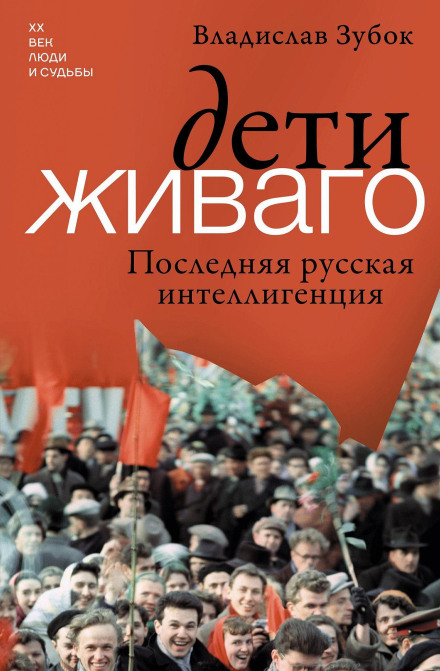
Діти Живаго. Остання російська інтелігенція
17 год. 57 хв.
Мова
російська
Автор
Владислав Зубок
Автор
Владислав Зубок
Читець
Олександр Іванов
Читець
Олександр Іванов
Опис
Колективний портрет людей, які після смерті Сталіна визначали культурний ландшафт і формували суспільні уявлення в Росії: від Олександра Твардовського та Євгена Євтушенка до Андрія Сахарова й Олександра Солженіцина, від Іллі Еренбурга до Дмитра Лихачова.
Автор — Владислав Зубок, випускник МДУ та професор міжнародної історії Лондонської школи економіки і політичних наук. Він написав відзначені визнанням книги «Коллапс. Гибель Советского Союза» та «Неудавшаяся империя», а його нещодавня робота «Мир холодной войны» у 2025 році увійшла до числа фіналістів премії Джорджа Оруелла.
«Діти Живаго» розповідає про спільноту людей, які в повоєнні десятиліття після сталінської доби задавали тон культурі, світогляду та публічній дискусії. Це не лише знамениті «шістдесятники» — Твардовський, Євтушенко, Володимир Висоцький, — а й їхні старші орієнтири та вчителі (від Еренбурга до Лихачова), дисиденти Сахаров і Солженіцин, а також науковці, журналісти, кінематографісти, театральні режисери й актори, державні та партійні діячі — усі, хто відчував себе продовжувачем традиції російської інтелігенції. Книга — про потужне культурне середовище, що зникло разом із Радянським Союзом, але досі впливає на нас і викликає відгук.
Пронизливий символ цієї оповіді — доля Юрія Живаго з роману Бориса Пастернака, великої розгорнутої епітафії загибелі дореволюційної російської інтелігенції.
Автор книги Владислав Зубок — випускник МДУ, професор міжнародної історії Лондонської школи економіки і політичних наук, автор відомих праць «Коллапс. Гибель Советского Союза» та «Неудавшаяся империя»; його книга «Мир холодной войны» у 2025 році стала фіналістом премії Джорджа Оруелла.
Автор — Владислав Зубок, випускник МДУ та професор міжнародної історії Лондонської школи економіки і політичних наук. Він написав відзначені визнанням книги «Коллапс. Гибель Советского Союза» та «Неудавшаяся империя», а його нещодавня робота «Мир холодной войны» у 2025 році увійшла до числа фіналістів премії Джорджа Оруелла.
«Діти Живаго» розповідає про спільноту людей, які в повоєнні десятиліття після сталінської доби задавали тон культурі, світогляду та публічній дискусії. Це не лише знамениті «шістдесятники» — Твардовський, Євтушенко, Володимир Висоцький, — а й їхні старші орієнтири та вчителі (від Еренбурга до Лихачова), дисиденти Сахаров і Солженіцин, а також науковці, журналісти, кінематографісти, театральні режисери й актори, державні та партійні діячі — усі, хто відчував себе продовжувачем традиції російської інтелігенції. Книга — про потужне культурне середовище, що зникло разом із Радянським Союзом, але досі впливає на нас і викликає відгук.
Пронизливий символ цієї оповіді — доля Юрія Живаго з роману Бориса Пастернака, великої розгорнутої епітафії загибелі дореволюційної російської інтелігенції.
Автор книги Владислав Зубок — випускник МДУ, професор міжнародної історії Лондонської школи економіки і політичних наук, автор відомих праць «Коллапс. Гибель Советского Союза» та «Неудавшаяся империя»; його книга «Мир холодной войны» у 2025 році стала фіналістом премії Джорджа Оруелла.
100%
1:05:52
Дети Живаго. Последняя русская интеллигенция 01
1:40:36
Дети Живаго. Последняя русская интеллигенция 02
1:26:02
Дети Живаго. Последняя русская интеллигенция 03
1:46:17
Дети Живаго. Последняя русская интеллигенция 04
2:00:06
Дети Живаго. Последняя русская интеллигенция 05
1:30:51
Дети Живаго. Последняя русская интеллигенция 06
1:28:53
Дети Живаго. Последняя русская интеллигенция 07
1:39:12
Дети Живаго. Последняя русская интеллигенция 08
1:50:07
Дети Живаго. Последняя русская интеллигенция 09
2:01:08
Дети Живаго. Последняя русская интеллигенция 10
1:28:25
Дети Живаго. Последняя русская интеллигенция 11
