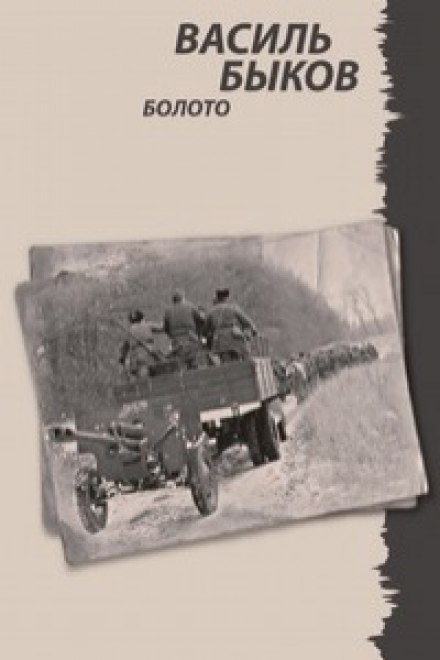
Болото
2 год. 40 хв.
Мова
російська
Автор
Василь Биков
Автор
Василь Биков
Читець
Валерій Стельмащук
Читець
Валерій Стельмащук
Опис
Вибравшись із похмурих, сирих уранці лісових нетрів, де вони проблукали половину ночі, Гусаков полегшено зітхнув: ліс скінчився, перед ними розкинулося поле. Над стіною сусіднього лісу, затягнутою ранковим серпанком, піднімався яскраво-червоний диск літнього сонця. Променів від нього ще не було в чистому, погожому, широко залитому багрянцем небі, червоність якого, однак, швидко тьмяніла, поступаючись натиску світла й блакиті. У полі ставало світліше, стало видно, як смуги жита чергуються з різними за шириною ділянками ячменю, пшениці й картоплі, — як колись у доколгоспній Західній Білорусі, де більше року служив Гусаков. Але тут не Західна — тут мала бути Східна, і ці ниви-смужки давно переорані тракторами, а земля усуспільнена в колгоспи. Удруге за минулу ніч Гусакова охопила тривога: куди ж вони потрапили? Уперше він стривожився, коли на величезному скошеному лузі, де вони приземлилися, ніхто їх не зустрів, ніякої партизанської застави там не було. Щоправда, не було й німецької засідки.
100%
13:10
01 Болото
05:55
02 Болото
11:05
03 Болото
12:26
04 Болото
07:57
05 Болото
08:27
06 Болото
10:27
07 Болото
07:18
08 Болото
10:18
09 Болото
10:48
10 Болото
11:25
11 Болото
13:13
12 Болото
04:32
13 Болото
06:50
14 Болото
03:57
15 Болото
08:42
16 Болото
09:46
17 Болото
03:46
18 Болото
