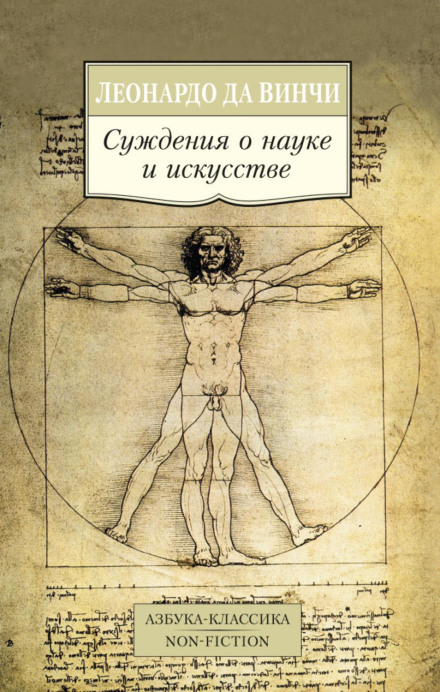
Судження про науку і мистецтво
1 год. 54 хв.
Мова
російська
Автор
Леонардо да Вінчі
Автор
Леонардо да Вінчі
Читець
Михайло Нордшір
Читець
Михайло Нордшір
Опис
Леонардо ді сер П’єро да Вінчі (1452–1519) — знаменитий італійський художник, музикант, учений і винахідник. Один із титанів італійського Відродження, да Вінчі є автором найвідомішого в світі портрета «Мони Лізи» та генієм свого часу, чияі відкриття й досі викликають жвавий інтерес, а таємниці та головоломки ще не розгадані до кінця. У книзі «Судження про науку й мистецтво» Леонардо да Вінчі поєднує науку та мистецтво в єдине ціле — у якийсь універсальний спосіб пізнання світу. Цей спосіб дає змогу побачити світ і людину в усьому різноманітті на чуттєвому й раціональному рівнях. невтомний дослідник і природознавець, да Вінчі залишив свій слід у механіці та анатомії, хімії й фізиці. Його напрацювання з цих галузей, так само як художня спадщина, лягли в основу його міркувань про мистецтво, науку та устрій світу.
Серія «Бібліотека мистецтвознавця» — незамінний помічник для кожного, хто вивчає мистецтво. Тексти, зібрані тут, виокремлюють головні імена мистецтвознавства, розплутують хитросплетіння, пояснюють важливі твори та події, які й надалі впливають на хід сучасної культури. Хронологія, методологія для самостійного аналізу, ключові тези, стислий переказ основних ідей — у цій серії є все. Розширюйте свої знання в мистецтві — бібліотека з нетерпінням чекає на свого допитливого й розуміючого читача.
Серія «Бібліотека мистецтвознавця» — незамінний помічник для кожного, хто вивчає мистецтво. Тексти, зібрані тут, виокремлюють головні імена мистецтвознавства, розплутують хитросплетіння, пояснюють важливі твори та події, які й надалі впливають на хід сучасної культури. Хронологія, методологія для самостійного аналізу, ключові тези, стислий переказ основних ідей — у цій серії є все. Розширюйте свої знання в мистецтві — бібліотека з нетерпінням чекає на свого допитливого й розуміючого читача.
