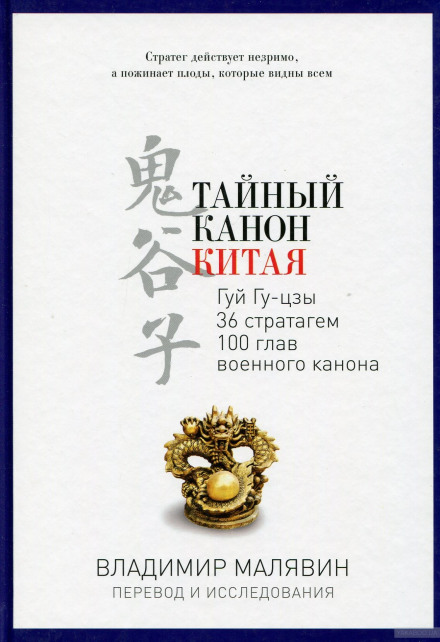
Тайный канон Китая
9 ч. 8 мин.
Описание
С древности в Китае существовала утонченная стратегия коммуникации и противоборства, которая давала возможность тем, кто ею овладел, успешно манипулировать окружающими людьми – партнерами, подчиненными, начальниками.
Эта хитрая наука держалась в тайне и малоизвестна даже в самом Китае. Теперь русский читатель может ознакомиться с ней в заново исправленных переводах одного из ведущих отечественных китаеведов. В. В. Малявин представляет здесь три классических произведения из области китайской стратегии: древний трактат «Гуй Гу-цзы», знаменитый сборник «Тридцать шесть стратагем» и трактат Цзхе Сюаня «Сто глав военного канона».
Эти сочинения – незаменимое подспорье в практической деятельности не только государственных служащих, военных и деловых людей, но и всех, кто ценит практическую ценность восточной мудрости и хочет знать надежные способы достижения жизненного успеха.
Эта хитрая наука держалась в тайне и малоизвестна даже в самом Китае. Теперь русский читатель может ознакомиться с ней в заново исправленных переводах одного из ведущих отечественных китаеведов. В. В. Малявин представляет здесь три классических произведения из области китайской стратегии: древний трактат «Гуй Гу-цзы», знаменитый сборник «Тридцать шесть стратагем» и трактат Цзхе Сюаня «Сто глав военного канона».
Эти сочинения – незаменимое подспорье в практической деятельности не только государственных служащих, военных и деловых людей, но и всех, кто ценит практическую ценность восточной мудрости и хочет знать надежные способы достижения жизненного успеха.
Содержание:
Предисловие составителя
Гуй Гу-цзы
Предисловие
Издания и исследования «Гуй Гу-цзы»
Глава первая. Открытость и закрытость
Глава вторая. Ответ и соответствие
Глава третья. Зацепка внутри
Глава четвертая. Упреждение появления оврагов
Глава пятая. Воодушевлять, чтобы подчинить
Глава шестая. Противостояние в согласии
Глава седьмая. О проницательности
Глава восьмая. Угождение
Глава девятая. Оселок разговора
Глава десятая. Планы
Глава одиннадцатая. Принятие решений
Глава двенадцатая. О соответствии слов делам
Приложение 1. Глава «девять образцов из книги «Гуань-цзы»
Глава тринадцатая. Семь искусств тайного соответствия в правлении от основы
Восполнение духа
Пестование воли
Наполненность воли
Разделение силы
Рассеивание силы
Вращение по кругу
Умаление и прибыток
Глава четырнадцатая. Держаться оси
Глава пятнадцатая. Управление изнутри
Цзе Сюань. Военный канон Китая в ста главах
Предисловие переводчика
Раздел «Знание»
1. Предвосхищение
2. Поворотный пункт
3. Стратегическое преимущество
4. Знание
5. Разведка
6. Соперничество
7. Образование
8. Слово
9. Созидание
10. Искусство
11. Хитрости
12. Стратагемы
13. Жизненность
14. Перемены
15. Наращивание силы
16. Переворачивание
17. Одухотворенность
18. Подозрение
19. Заблуждение
20. Действия не по правилам
21. Неискусность
22. Предвидение
23. Множественность планов
24. Всеобъемлющая полнота
25. Бдительность
26. Знание
27. Диверсии
28. Секретность
Раздел «Правила»
29. Сборы на войну
30. Доверие
31. Командование
32. Согласие
33. Виды службы
34. Способности
35. Ударные отряды
36. Сплоченность
37. Привлечение людей
38. Тренировка
39. Воодушевление
40. Управление
41. Милостивое отношение
42. Сравнения
43. Боевой дух
44. Провиант
45. Место для стоянки
46. Поход
47. Движение
48. Быстрое выдвижение
49. Местность
50. Польза
51. Военный строй
52. Строгость
53. Бой в диком поле
54. Ложный клич
55. Скрытность
56. Потворство
57. Выступление
58. Отпор
59. Заманивание
60. Бой
61. Противоборство
62. Разделение
63. Перемена тактики
64. Затягивание
65. Ускорение
66. Связывание
67. Привлечение на свою сторону
68. Жертва
69. Командование
70. Победа
71. Сбережение в целости
72. Секретность
Дополнительный раздел
73. Природные условия
74. Числа
75. Решительность
76. Обман
77. Женщины
78. Грамотность
79. Использование других
80. Сообщение
81. Сопоставление
82. Безвыходное положение
83. Зрение
84. Звуки
85. Терпение
86. Маскировка
87. Повторение
88. Неполнота
89. Одно
90. Действие наоборот
91. Пустота
92. Отсутствие
93. Скрытность
94. Спокойствие
95. Запасливость
96. Забытье
97. Способность напугать
98. Инициатива
99. Само собой
100. Таковость
Тридцать шесть стратагем. Китайские секреты успеха
Предисловие переводчика
Тридцать шесть стратагем
Раздел первый. Стратагемы победоносных сражений
Стратагема первая. Обманув государя, переправиться через море
Стратагема вторая. Осадить Вэй, чтобы спасти Чжао
Стратагема третья. Воспользовавшись чужим ножом, убить человека
Стратагема четвертая. Спокойно ждать, когда враг утомится
Стратагема пятая. Среди пожара учинить грабеж
Стратагема шестая. Подняв шум на востоке, напасть на западе
Раздел второй. Стратагемы сражений при равновесии сил
Стратагема седьмая. Из ничего сотворить что-то
Стратагема восьмая. Втайне выступить в Чэньцян
Стратагема девятая. С противоположного берега наблюдать за пожаром
Стратагема десятая. В улыбке прятать нож
Стратагема одиннадцатая. Пожертвовать сливой, чтобы спасти персик
Стратагема двенадцатая. Увести овцу, попавшуюся под руку
Раздел третий. Стратагемы наступательных сражений
Стратагема тринадцатая. Бить по траве, чтобы вспугнуть змею
Стратагема четырнадцатая. Занять труп, чтобы вернуть себе жизнь
Стратагема пятнадцатая. Вынудить тигра покинуть гору
Стратагема шестнадцатая. Если хочешь схватить, прежде дай отойти
Стратагема семнадцатая. Бросить кирпич, чтобы заполучить яшму
Стратагема восемнадцатая. Чтобы схватить разбойников, надо прежде схватить главаря
Раздел четвертый. Стратагемы сражений с несколькими участниками
Стратагема девятнадцатая. Вытаскивать хворост из-под очага
Стратагема двадцатая. Мутить воду, чтобы поймать рыбу
Стратагема двадцать первая. Золотая цикада сбрасывает чешую
Стратагема двадцать вторая. Запереть ворота, чтобы схватить вора
Стратагема двадцать третья. Дружить с дальним и воевать с ближним
Стратагема двадцать четвертая. Потребовать прохода через Го, чтобы напасть на него
Раздел пятый. Стратагемы битвы совместно с третьей стороной
Стратагема двадцать пятая. Выкрасть балку и подменить колонны, не передвигая дома
Стратагема двадцать шестая. Грозить софоре, указывая на тутовое дерево
Стратагема двадцать седьмая. Притворяться глупцом, не поддаваясь вожделениям
Стратагема двадцать восьмая. Завести на крышу и убрать лестницу
Стратагема двадцать девятая. На сухом дереве развесить цветы
Стратагема тридцатая. Пересадить гостя на место хозяина
Раздел шестой. Стратагемы проигрышных сражений
Стратагема тридцать первая. «Красавица»
Стратагема тридцать вторая. «Пустой город»
Стратагема тридцать третья. «Возвращенный шпион»
Стратагема тридцать четвертая. «Нанесение себе увечья»
Стратагема тридцать пятая. «Цепи»
Гуй Гу-цзы
Предисловие
Издания и исследования «Гуй Гу-цзы»
Глава первая. Открытость и закрытость
Глава вторая. Ответ и соответствие
Глава третья. Зацепка внутри
Глава четвертая. Упреждение появления оврагов
Глава пятая. Воодушевлять, чтобы подчинить
Глава шестая. Противостояние в согласии
Глава седьмая. О проницательности
Глава восьмая. Угождение
Глава девятая. Оселок разговора
Глава десятая. Планы
Глава одиннадцатая. Принятие решений
Глава двенадцатая. О соответствии слов делам
Приложение 1. Глава «девять образцов из книги «Гуань-цзы»
Глава тринадцатая. Семь искусств тайного соответствия в правлении от основы
Восполнение духа
Пестование воли
Наполненность воли
Разделение силы
Рассеивание силы
Вращение по кругу
Умаление и прибыток
Глава четырнадцатая. Держаться оси
Глава пятнадцатая. Управление изнутри
Цзе Сюань. Военный канон Китая в ста главах
Предисловие переводчика
Раздел «Знание»
1. Предвосхищение
2. Поворотный пункт
3. Стратегическое преимущество
4. Знание
5. Разведка
6. Соперничество
7. Образование
8. Слово
9. Созидание
10. Искусство
11. Хитрости
12. Стратагемы
13. Жизненность
14. Перемены
15. Наращивание силы
16. Переворачивание
17. Одухотворенность
18. Подозрение
19. Заблуждение
20. Действия не по правилам
21. Неискусность
22. Предвидение
23. Множественность планов
24. Всеобъемлющая полнота
25. Бдительность
26. Знание
27. Диверсии
28. Секретность
Раздел «Правила»
29. Сборы на войну
30. Доверие
31. Командование
32. Согласие
33. Виды службы
34. Способности
35. Ударные отряды
36. Сплоченность
37. Привлечение людей
38. Тренировка
39. Воодушевление
40. Управление
41. Милостивое отношение
42. Сравнения
43. Боевой дух
44. Провиант
45. Место для стоянки
46. Поход
47. Движение
48. Быстрое выдвижение
49. Местность
50. Польза
51. Военный строй
52. Строгость
53. Бой в диком поле
54. Ложный клич
55. Скрытность
56. Потворство
57. Выступление
58. Отпор
59. Заманивание
60. Бой
61. Противоборство
62. Разделение
63. Перемена тактики
64. Затягивание
65. Ускорение
66. Связывание
67. Привлечение на свою сторону
68. Жертва
69. Командование
70. Победа
71. Сбережение в целости
72. Секретность
Дополнительный раздел
73. Природные условия
74. Числа
75. Решительность
76. Обман
77. Женщины
78. Грамотность
79. Использование других
80. Сообщение
81. Сопоставление
82. Безвыходное положение
83. Зрение
84. Звуки
85. Терпение
86. Маскировка
87. Повторение
88. Неполнота
89. Одно
90. Действие наоборот
91. Пустота
92. Отсутствие
93. Скрытность
94. Спокойствие
95. Запасливость
96. Забытье
97. Способность напугать
98. Инициатива
99. Само собой
100. Таковость
Тридцать шесть стратагем. Китайские секреты успеха
Предисловие переводчика
Тридцать шесть стратагем
Раздел первый. Стратагемы победоносных сражений
Стратагема первая. Обманув государя, переправиться через море
Стратагема вторая. Осадить Вэй, чтобы спасти Чжао
Стратагема третья. Воспользовавшись чужим ножом, убить человека
Стратагема четвертая. Спокойно ждать, когда враг утомится
Стратагема пятая. Среди пожара учинить грабеж
Стратагема шестая. Подняв шум на востоке, напасть на западе
Раздел второй. Стратагемы сражений при равновесии сил
Стратагема седьмая. Из ничего сотворить что-то
Стратагема восьмая. Втайне выступить в Чэньцян
Стратагема девятая. С противоположного берега наблюдать за пожаром
Стратагема десятая. В улыбке прятать нож
Стратагема одиннадцатая. Пожертвовать сливой, чтобы спасти персик
Стратагема двенадцатая. Увести овцу, попавшуюся под руку
Раздел третий. Стратагемы наступательных сражений
Стратагема тринадцатая. Бить по траве, чтобы вспугнуть змею
Стратагема четырнадцатая. Занять труп, чтобы вернуть себе жизнь
Стратагема пятнадцатая. Вынудить тигра покинуть гору
Стратагема шестнадцатая. Если хочешь схватить, прежде дай отойти
Стратагема семнадцатая. Бросить кирпич, чтобы заполучить яшму
Стратагема восемнадцатая. Чтобы схватить разбойников, надо прежде схватить главаря
Раздел четвертый. Стратагемы сражений с несколькими участниками
Стратагема девятнадцатая. Вытаскивать хворост из-под очага
Стратагема двадцатая. Мутить воду, чтобы поймать рыбу
Стратагема двадцать первая. Золотая цикада сбрасывает чешую
Стратагема двадцать вторая. Запереть ворота, чтобы схватить вора
Стратагема двадцать третья. Дружить с дальним и воевать с ближним
Стратагема двадцать четвертая. Потребовать прохода через Го, чтобы напасть на него
Раздел пятый. Стратагемы битвы совместно с третьей стороной
Стратагема двадцать пятая. Выкрасть балку и подменить колонны, не передвигая дома
Стратагема двадцать шестая. Грозить софоре, указывая на тутовое дерево
Стратагема двадцать седьмая. Притворяться глупцом, не поддаваясь вожделениям
Стратагема двадцать восьмая. Завести на крышу и убрать лестницу
Стратагема двадцать девятая. На сухом дереве развесить цветы
Стратагема тридцатая. Пересадить гостя на место хозяина
Раздел шестой. Стратагемы проигрышных сражений
Стратагема тридцать первая. «Красавица»
Стратагема тридцать вторая. «Пустой город»
Стратагема тридцать третья. «Возвращенный шпион»
Стратагема тридцать четвертая. «Нанесение себе увечья»
Стратагема тридцать пятая. «Цепи»
100%
35:16
00-00-00-predislovie-sostavitelya
1:07:24
01-01-00-guy-gu-tszy-predislovie
09:30
01-01-01-glava-pervaya-otkrytost-i-zakrytost
08:43
01-01-02-glava-vtoraya-otvet-i-sootvetstvie
08:36
01-01-03-glava-tretya-zatsepka-vnutri
04:43
01-01-04-glava-chetvertaya-uprezhdenie-poyavleniya-ovragov
05:21
01-01-05-glava-pyataya-voodushevlyat-chtoby-podchinit
05:26
01-01-06-glava-shestaya-protivostoyanie-v-soglasii
05:19
01-01-07-glava-sedmaya-o-pronitsatelnosti
06:31
01-01-08-glava-vosmaya-ugozhdenie
07:33
01-01-09-glava-devyataya-oselok-razgovora
09:05
01-01-10-glava-desyataya-plany
03:02
01-01-11-glava-odinnadtsataya-prinyatie-resheniy
05:37
01-01-12-glava-dvenadtsataya-o-sootvetstvii
04:44
01-01-13-prilozhenie-1-glava-devyat-obraztsov-iz-knigi-guan-tszy
19:51
01-01-14-glava-trinadtsataya-sem-iskusstv-taynogo-sootvetstviya-v-pravlenii-ot-osnovy
01:16
01-01-15-glava-chetyrnadtsataya-derzhatsya-osi
09:26
01-01-16-glava-pyatnadtsataya-upravlenie-iznutri
01:20
02-01-001-predvoshischenie
01:15
02-01-002-povorotnyy-punkt
01:57
02-01-003-strategicheskoe-preimuschestvo
01:42
02-01-004-znanie
01:02
02-01-005-razvedka
00:54
02-01-006-sopernichestvo
01:47
02-01-007-obrazovanie
01:52
02-01-008-slovo
03:02
02-01-009-sozidanie
01:28
02-01-010-iskusstvo
01:19
02-01-011-hitrosti
00:55
02-01-012-stratagemy
01:11
02-01-013-zhiznennost
01:24
02-01-014-peremeny
02:55
02-01-015-naraschivanie-sily
01:21
02-01-016-perevorachivanie
00:18
02-01-017-oduhotvorennost
01:21
02-01-018-podozrenie
03:26
02-01-019-zabluzhdenie
01:38
02-01-020-deystviya-ne-po-pravilam
02:13
02-01-021-neiskusnost
01:04
02-01-022-predvidenie
01:06
02-01-023-mnozhestvennost-planov
01:55
02-01-024-vseobemlyuschaya-polnota
01:11
02-01-025-bditelnost
02:09
02-01-026-znanie
01:40
02-01-027-diversii
01:29
02-01-028-sekretnost
01:41
02-02-029-sbory-na-voynu
00:47
02-02-030-doverie
00:56
02-02-031-komandovanie
05:40
02-02-032-soglasie
01:19
02-02-033-vidy-sluzhby
03:00
02-02-034-sposobnosti
01:26
02-02-035-udarnye-otryady
01:39
02-02-036-splochennost
01:02
02-02-037-privlechenie-lyudey
01:14
02-02-038-trenirovka
01:43
02-02-039-voodushevlenie
01:29
02-02-040-upravlenie
01:29
02-02-041-milostivoe-otnoshenie
01:44
02-02-042-sravneniya
01:43
02-02-043-boevoy-duh
00:56
02-02-044-proviant
01:06
02-02-045-mesto-dlya-stoyanki
01:23
02-02-046-pohod
02:08
02-02-047-dvizhenie
03:12
02-02-048-bystroe-vydvizhenie
01:28
02-02-049-mestnost
02:14
02-02-050-polza
01:16
02-02-051-voennyy-stroy
01:59
02-02-052-strogost
00:46
02-02-053-boy-v-dikom-pole
01:07
02-02-054-lozhnyy-klich
01:05
02-02-055-skrytnost
00:51
02-02-056-potvorstvo
00:57
02-02-057-vystuplenie
01:01
02-02-058-otpor
05:49
02-02-059-zamanivanie
02:51
02-02-060-boy
02:01
02-02-061-protivoborstvo
01:09
02-02-062-razdelenie
01:11
02-02-063-peremena-taktiki
01:10
02-02-064-zatyagivanie
01:13
02-02-065-uskorenie
01:00
02-02-066-svyazyvanie
00:39
02-02-067-privlechenie-na-svoyu-storonu
00:54
02-02-068-zhertva
01:17
02-02-069-komandovanie
01:20
02-02-070-pobeda
01:12
02-02-071-sberezhenie-v-tselosti
01:06
02-02-072-sekretnost
01:42
02-03-073-prirodnye-usloviya
02:19
02-03-074-chisla
01:36
02-03-075-reshitelnost
01:26
02-03-076-obman
00:42
02-03-077-zhenschiny
00:56
02-03-078-gramotnost
02:30
02-03-079-ispolzovanie-drugih
01:35
02-03-080-soobschenie
00:49
02-03-081-sopostavlenie
02:08
02-03-082-bezvyhodnoe-polozhenie
01:32
02-03-083-zrenie
01:43
02-03-084-zvuki
02:21
02-03-085-terpenie
01:29
02-03-086-maskirovka
01:24
02-03-087-povtorenie
01:32
02-03-088-nepolnota
01:44
02-03-089-odno
01:13
02-03-090-deystvie-naoborot
02:06
02-03-091-pustota
01:05
02-03-092-otsutstvie
01:01
02-03-093-skrytnost
01:14
02-03-094-spokoystvie
00:44
02-03-095-zapaslivost
01:43
02-03-096-zabyte
01:08
02-03-097-sposobnost-napugat
00:51
02-03-098-initsiativa
01:33
02-03-099-samo-soboy
01:47
02-03-100-takovost
35:39
03-00-00-tridtsat-shest-stratagem-kitayskie-sekrety-uspeha
03:03
03-00-01-predislovie-perevodchika
04:45
03-01-01-obmanuv-gosudarya-perepravitsya-cherez-more
02:21
03-01-02-osadit-vey-chtoby-spasti-chzhao
03:57
03-01-03-vospolzovavshis-chuzhim-nozhom-ubit-cheloveka
03:06
03-01-04-spokoyno-zhdat-kogda-vrag-utomitsya
01:46
03-01-05-sredi-pozhara-uchinit-grabezh
01:53
03-01-06-podnyav-shum-na-vostoke-napast-na-zapade
03:52
03-02-07-iz-nichego-sotvorit-chto-to
03:23
03-02-08-vtayne-vystupit-v-chentsyan
04:04
03-02-09-s-protivopolozhnogo-berega-nablyudat-za-pozharom
02:29
03-02-10-v-ulybke-pryatat-nozh
04:34
03-02-11-pozhertvovat-slivoy-chtoby-spasti-persik237
02:04
03-02-12-uvesti-ovtsu-popavshuyusya-pod-ruku
03:00
03-03-13-bit-po-trave-chtoby-vspugnut-zmeyu
02:15
03-03-14-zanyat-trup-chtoby-vernut-sebe-zhizn
04:11
03-03-15-vynudit-tigra-pokinut-goru
02:25
03-03-16-esli-hochesh-shvatit-prezhde-day-otoyti
04:31
03-03-17-brosit-kirpich-chtoby-zapoluchit-yashmu
02:40
03-03-18-chtoby-shvatit-razboynikov-nado-prezhde-shvatit-glavarya
04:27
03-04-19-vytaskivat-hvorost-iz-pod-ochaga
03:45
03-04-20-mutit-vodu-chtoby-poymat-rybu
03:55
03-04-21-zolotaya-tsikada-sbrasyvaet-cheshuyu
04:29
03-04-22-zaperet-vorota-chtoby-shvatit-vora
05:04
03-04-23-druzhit-s-dalnim-i-voevat-s-blizhnim
03:53
03-04-24-potrebovat-prohoda-cherez-go-chtoby-napast-na-nego
05:50
03-05-25-vykrast-balku-i-podmenit-kolonny-ne-peredvigaya-doma
04:20
03-05-26-grozit-sofore-ukazyvaya-na-tutovoe-derevo
04:59
03-05-27-pritvoryatsya-gluptsom-ne-poddavayas-vozhdeleniyam
04:14
03-05-28-zavesti-na-kryshu-i-ubrat-lestnitsu
02:44
03-05-29-na-suhom-dereve-razvesit-tsvety
03:24
03-05-30-peresadit-gostya-na-mesto-hozyaina
03:47
03-06-31-krasavitsa
04:48
03-06-32-pustoy-gorod
02:50
03-06-33-vozvraschennyy-shpion
06:17
03-06-34-nanesenie-sebe-uvechya
04:44
03-06-35-tsepi
03:39
03-06-36-ustupanie-luchshiy-priem
