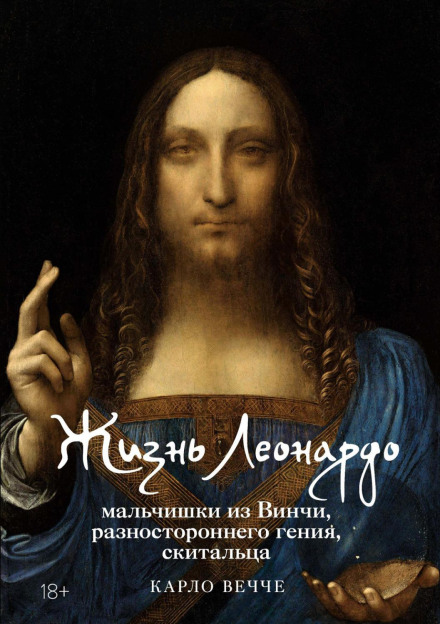
Життя Леонардо, хлопчика з Вінчі, різностороннього генія та мандрівника
19 год. 25 хв.
Мова
російська
Автор
Карло Вечче
Автор
Карло Вечче
Читець
Олексій Воскобойніков
Читець
Олексій Воскобойніков
Опис
Це історія простого сільського хлопчика — позашлюбного сина нотаріуса та рабині, сильної, юної жінки, чужинки з далеких країв. Леонардо — ім’я, що означає «свободу», напевно, дала своєму синові саме вона. Як зміг я розповісти цю історію? Насамперед — прислухавшись до голосів сучасників самого Леонардо, свідчень неповних, але отриманих із перших уст… спогадів тих, хто знав його особисто, документів і паперів його рідних, контрактів, листів, хронік, податкових декларацій, доносів і матеріалів судових процесів, звітів послів, записників художників і інженерів, вихвалянь придворних поетів, дорожнього щоденника кардинальського секретаря.
Художник — божественний, однак надто «різноманітний і нестабільний» у своїй винахідливості, надто прагнучий до досконалості — і тому майже нездатний завершити власні роботи; різнобічний геній, маг і чаклун, святий і демон, надлюдина, провісник сучасної науки. Але де ж він сам, той хлопчик із Вічі? Особисто я віддаю перевагу іншому голосу — ясному й правдивому: його власному. Свідчення, складені зі слів і образів. Потік слів, щоденні записи, тисячі й тисячі сторінок зошитів, записників, розрізнених аркушів; образи, зафіксовані в сотнях малюнків, начерках, ескізах, кількох чудових картинах. Можливо, саме це й є найбільшим винаходом Леонардо — неймовірно нова за своєю природою форма глобальної комунікації. Відкритий, вільний спосіб письма, що не визнає кордонів і ієрархій. Манера «майбутнього», виклик часу й смерті. Безмежна праця, демонстрація дивовижного розуму, не зв’язаного схемами й забобонами, що залишає відкритими всі можливі шляхи. Справжня пісня свободи.
Карло Вечче
Художник — божественний, однак надто «різноманітний і нестабільний» у своїй винахідливості, надто прагнучий до досконалості — і тому майже нездатний завершити власні роботи; різнобічний геній, маг і чаклун, святий і демон, надлюдина, провісник сучасної науки. Але де ж він сам, той хлопчик із Вічі? Особисто я віддаю перевагу іншому голосу — ясному й правдивому: його власному. Свідчення, складені зі слів і образів. Потік слів, щоденні записи, тисячі й тисячі сторінок зошитів, записників, розрізнених аркушів; образи, зафіксовані в сотнях малюнків, начерках, ескізах, кількох чудових картинах. Можливо, саме це й є найбільшим винаходом Леонардо — неймовірно нова за своєю природою форма глобальної комунікації. Відкритий, вільний спосіб письма, що не визнає кордонів і ієрархій. Манера «майбутнього», виклик часу й смерті. Безмежна праця, демонстрація дивовижного розуму, не зв’язаного схемами й забобонами, що залишає відкритими всі можливі шляхи. Справжня пісня свободи.
Карло Вечче
