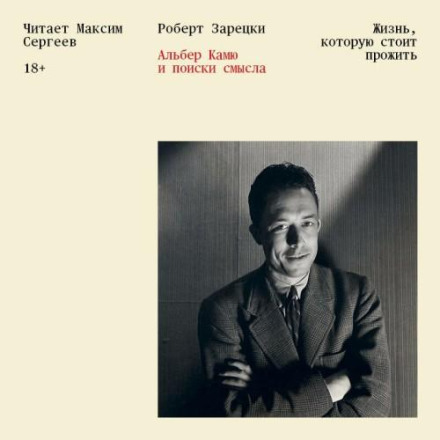
Життя, яке варто прожити. Альбер Камю і пошуки сенсу
6 год. 32 хв.
Мова
російська
Автор
Роберт Зарецкі
Автор
Роберт Зарецкі
Читець
Максим Сергєєв
Читець
Максим Сергєєв
Опис
Це перша біографія Альбера Камю російською мовою. Для її автора, американського історика Роберта Зарецкі, життя й твори Камю, що вже стали класикою світової літератури та філософії екзистенціалізму, — це не стільки частина минулого, скільки передісторія теперішнього. «Гідність письменницької ремесла полягає в обов’язку жити не за неправдою й боротися з гнобленням», — так сказав у своїй Нобелівській промові 1957 року автор «Чуми», «Міфу про Сізіфа» та «Стороннього». П’ять тем героя, які особливо хвилювали французького філософа, — абсурд, мовчання, міра, вірність і бунт, — стали для нього ієрогліфом, садом розбіжних стежок і системою навігації в цьому «потворному, але дивовижному світі». За ними можна блукати в пошуках сенсу життя, коли важливо якщо не здобути надію, то принаймні не впасти в розпач. Самого Камю це блукання привело до розуміння, що в розгар зимі в ньому живе «непереможне літо». Вже непогано, правда?
