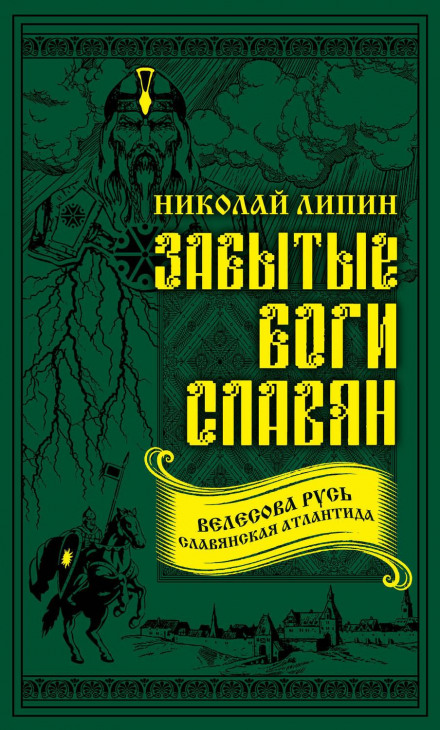
Забытые боги славян
8 ч. 28 мин.
Описание
История славянских цивилизаций насчитывает тысячелетия, а славянские боги так же ветхи, как мир. Но исторически сложилось так, что у нас очень мало информации о религиозных представлениях наших предков и дохристианские религиозные верования славян подчас низводятся до банальной демонологии. Но факты позволяют утверждать, что в славянской культуре существовал свой пантеон богов, подобный пантеонам Древних Рима и Греции. С помощью сравнительной мифологии, герменевтики, психологии, а также анализа сакральной лексики славянских языков – ведь именно язык, хранящий память тысячелетий, является наиболее объективным инструментом реконструкции – автор проводит исследование культов забытых богов. Почему же сегодня нам практически не известна история славянских цивилизаций? На каком историческом этапе была утрачена память о славянских богах, равно как и память о славянской праистории? И как это связано с переломной вехой в истории русского народа – эпохой принятия христианства? «Возвращение» забытых богов не только помогает нам разгадать духовный мир забытых славянских цивилизаций, но и позволяет открыть новые горизонты, новые ориентиры движения.
