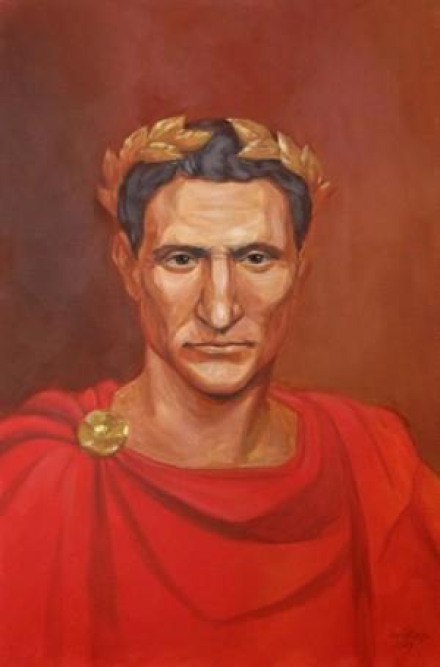
Юлій Цезар
6 год. 20 хв.
Мова
російська
Автор
Ірина Ткаченко
Автор
Ірина Ткаченко
Читець
Сергій Вострецов
Читець
Сергій Вострецов
Опис
Книга розповідає про дитинство і юність Гая Юлія Цезаря, самого роду Юліїв; висвітлює становлення Цезаря як жерця Юпітера, початок його політичної кар’єри. Читач поступово занурюється в консульську діяльність Юлія Цезаря, дізнається про його політику, помилки та поразки, про війни, які вів Цезар, про його плани державних перетворень, закони й задуми. Більша частина книги присвячена Цезарю-завойовнику: його боротьбі за владу, війні з парфянами, повстанню в Галлії, його взаєминам із ворогами й заздрісниками, а відтак — зародженню змови та вбивству Цезаря. Не залишена поза увагою й Клеопатра, в яку Цезар без пам’яті закохався у п’ятдесят третьому році життя. Автори намагаються відповісти на питання: яку роль зіграв Цезар в історії? Ні, не роль великої державної людини, покликаної внести порядок у хаос епохи. А роль великої людини дії, призначеної зруйнувати старий світ із традиціями, що відживають, і побудувати нову епоху, що уособлює торгівлю, релігійний скептицизм, відсутність родинного почуття, східну розкіш, спекуляцію, підкуп, демократичний дух, інтелектуальну витонченість, перше пом’якшення варварської жорстокості, пристрасть до мистецтва й знання.
