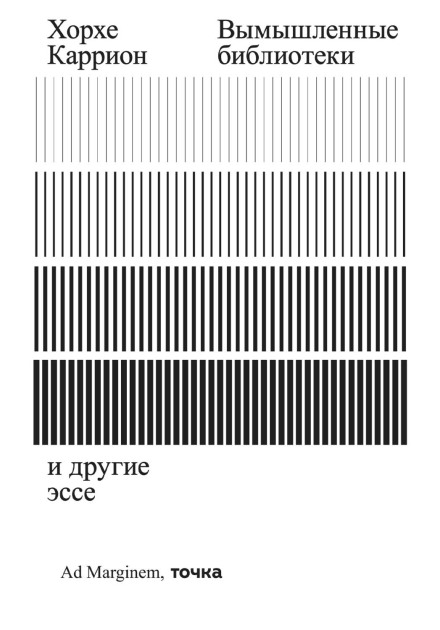
Вымышленные библиотеки
6 ч. 49 мин.
Описание
Новый сборник эссе испанского писателя и критика Хорхе Карриона (род. 1976) посвящен «квадрату, вершинами которого являются издательства, книжные магазины, частные и государственные библиотеки». Как и в дебютных «Книжных магазинах», автор соединяет путешествие и культурную историю в один нарратив, чтобы отправиться в «погоню за литературными топографиями». Он расследует историю Виллы Малапарте, прогуливается по Лондону с писателем Иэном Синклером, беседует с Альберто Мангелем, директором Национальной библиотеки Аргентины, вспоминая его предшественника – Борхеса, ведет полемику о новых и букинистических книжных с эссеистом Луиджи Амарой, втягивается в бешеный ритм жизни Майами. Неутомимый исследователь книжной территории, Каррион чутко регистрирует ее изменения: цифровизацию и угрозу со стороны маркетплейсов, новые форматы магазинов, новую жизнь библиотек, ренессанс книжных пространств впечатлений в Южной Кореи и Японии. Ну и, конечно, в очередной раз признается в любви книгам, книжным магазинам и библиотекам – не только физическим, но и вымышленным. Тем, что подарили нам известные авторы – Сервантес, Верн, Борхес – в своих произведениях, и тем, что существуют внутри каждого из нас.
100%
03:23
Вымышленные библиотеки - 0 -
08:15
Вымышленные библиотеки - 1 -
09:03
Вымышленные библиотеки - 2 -
23:59
Вымышленные библиотеки - 3 -
26:20
Вымышленные библиотеки - 4 -
10:10
Вымышленные библиотеки - 5 -
37:49
Вымышленные библиотеки - 6 -
16:10
Вымышленные библиотеки - 7 -
04:38
Вымышленные библиотеки - 8 -
14:53
Вымышленные библиотеки - 9 -
18:11
Вымышленные библиотеки - 10 -
08:46
Вымышленные библиотеки - 11 -
28:40
Вымышленные библиотеки - 12 -
49:31
Вымышленные библиотеки - 13 -
06:59
Вымышленные библиотеки - 14 -
44:05
Вымышленные библиотеки - 15 -
11:24
Вымышленные библиотеки - 16 -
46:20
Вымышленные библиотеки - 17 -
11:29
Вымышленные библиотеки - 18 -
25:00
Вымышленные библиотеки - 19 -
04:39
Вымышленные библиотеки - 20 -
