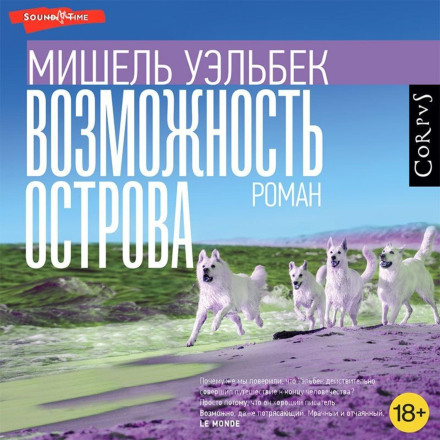
Можливість острова
14 год. 54 хв.
Опис
Один із найвідоміших романів французького письменника Мішеля Уельбека вже майже два десятиліття викликає незмінний інтерес читачів по всьому світу. Роман не назвеш історією в звичному сенсі (і автор взагалі не вважає себе «оповідачем історій»), оповідь ніби сплетена з багатьох ниток. Тут і вічний сюжет про кохання, і прикмети справжнього (шоу-бізнес, тоталітарні секти), і фантастична та лякаюче переконлива картина майбутнього, де існують неолюди — прямі клоновані нащадки сучасних людей, які «дивляться на світ із розумінням, але без участі», не відають ні болю, ні страждань; їхнє життя благополучне, але чомусь нестерпне. Цей телеміст між теперішнім і майбутнім наведе́но з такою кінематографічною точністю, що вражає й зачаровує, перевертає усталені уявлення про устрій світу й суспільства — можливо, навіть стираючи межу між реальністю та вигадкою.
