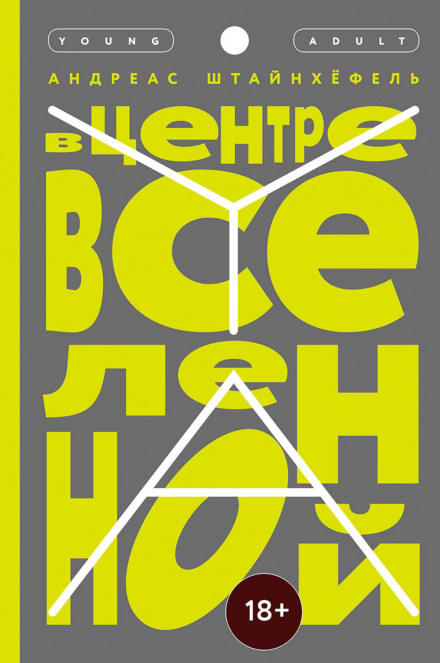
У центрі Всесвіту
14 год. 7 хв.
Мова
російська
Автор
Андреас Штайнхефель
Автор
Андреас Штайнхефель
Читець
Кирило Петров
Читець
Кирило Петров
Опис
Близнюки Філ і Діана та їхня мати Глесс приїхали з-за океану й оселилися в маєтку Візібл, який дістали їм у спадок. Вони стали темою розмов і засуджень для всього округу. Причин — море: нині Глесс усього тридцять чотири, а її дітям — по сімнадцять. Філ довгий час дружив із дивним хлопцем із поглядом серійного вбивці. Діана одного разу поранила місцевого хулігана на прізвисько Обломок — та як! Стрілою, випущеною з лука!
Та поступово Філ розуміє: у кожного мешканця цього маленького містечка є власні секрети, власні проблеми й власні причини стати ізгоєм. День за днем завісу таємниць знімають, і юнак бачить довколишню дійсність дедалі складнішою та неоднозначнішою. Можливо, прийняття цієї неоднозначності й є дорослішанням? Або дорослішання — це розібратися, де саме знаходиться центр твого всесвіту?
Роман Андреаса Штайнхефеля «У центрі всесвіту», опублікований у Німеччині 1998 року, на батьківщині автора став класикою young adult — текстом, з яким знайомий кожен вдумливий читач 18–25 років.
Серія «YA» (young adults) продовжує улюблену читачами колекцію «Покоління www.» від «КомпасГіда». На початку 2010-х вона широко відома завдяки таким обговорюваним романам, як «Скажи, Червона Шапочко» Беате Терези Ганіки та «Прикидаючись мертвим» Стефана Касти. «YA» об’єднує книжки, які могли бути написані лише сьогодні, — гострі, зухвалі, актуальні романи-виклики для читачів від 16 і старше. Оформив серію відомий дизайнер, співзасновник фестивалю Typomania Олександр Васін.
Андреас Штайнхефель (народився 1962 року) — володар численних престижних міжнародних премій, зокрема премії імені Еріка Кестнера. Його твори внесені до Почесного списку Міжнародної ради з дитячої літератури (IBBY). А роман «У центрі всесвіту» оцінило юнацьке журі в Австрії; він також був нагороджений премією «Букстехудський бик», яку в різні роки отримували Джон Грін, Джон Бойн, Гудрун Пауузеванг та інші автори.
Та поступово Філ розуміє: у кожного мешканця цього маленького містечка є власні секрети, власні проблеми й власні причини стати ізгоєм. День за днем завісу таємниць знімають, і юнак бачить довколишню дійсність дедалі складнішою та неоднозначнішою. Можливо, прийняття цієї неоднозначності й є дорослішанням? Або дорослішання — це розібратися, де саме знаходиться центр твого всесвіту?
Роман Андреаса Штайнхефеля «У центрі всесвіту», опублікований у Німеччині 1998 року, на батьківщині автора став класикою young adult — текстом, з яким знайомий кожен вдумливий читач 18–25 років.
Серія «YA» (young adults) продовжує улюблену читачами колекцію «Покоління www.» від «КомпасГіда». На початку 2010-х вона широко відома завдяки таким обговорюваним романам, як «Скажи, Червона Шапочко» Беате Терези Ганіки та «Прикидаючись мертвим» Стефана Касти. «YA» об’єднує книжки, які могли бути написані лише сьогодні, — гострі, зухвалі, актуальні романи-виклики для читачів від 16 і старше. Оформив серію відомий дизайнер, співзасновник фестивалю Typomania Олександр Васін.
Андреас Штайнхефель (народився 1962 року) — володар численних престижних міжнародних премій, зокрема премії імені Еріка Кестнера. Його твори внесені до Почесного списку Міжнародної ради з дитячої літератури (IBBY). А роман «У центрі всесвіту» оцінило юнацьке журі в Австрії; він також був нагороджений премією «Букстехудський бик», яку в різні роки отримували Джон Грін, Джон Бойн, Гудрун Пауузеванг та інші автори.
100%
04:00
00_00_ShtaynhYofel_A_V_tsentre_Vselennoy_Petrov_K
12:05
00_01_Prolog. Gless
22:38
01_01_Polotentse
39:19
01_02_Dambo i mannaya kasha
29:18
01_03_Shirota vzglyadov
40:29
01_04_Bitva u Bolshogo Glaza
52:19
01_05_Krasnaya tufelka v glubokoy yame
41:35
01_06_Tishe, a to razbudish
55:29
01_07_Na bortu «Nautilusa»
37:44
01_08_Kak na Lune poyavilis pyatna
55:33
02_01_Odinokie shagi Geybla
58:17
02_02_Teatr nochnyh teney
43:27
02_03_Diana, kotoraya zhivet na kryshe
15:56
02_04_Kretin
54:42
02_05_Za lyubov
48:07
02_06_Chetyre na devyat
06:02
02_07_Vitrina 1. Nizhniy yaschik. O treh sestrah
37:12
02_08_01_Malenkiy blednolitsyy drug
28:44
02_08_02_Malenkiy blednolitsyy drug
46:33
02_09_Sporynya
41:22
03_01_Prizraki proshlogo
36:51
03_02_01_Razgovory s temnotoy
31:10
03_02_02_Razgovory s temnotoy
06:45
04_Epilog. Fil
01:49
05_Ot avtora
