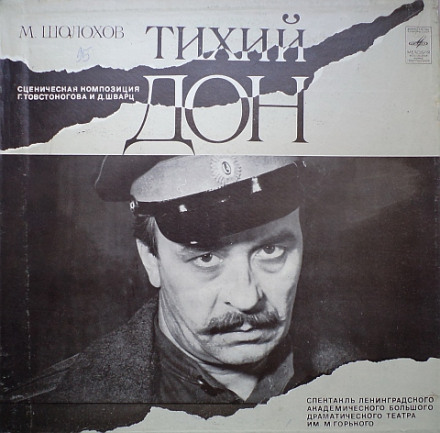
Тихий Дон
2 год. 41 хв.
Мова
російська
Автор
Михайло Шолохов
Автор
Михайло Шолохов
Читець
Олег Басілашвілі
Читець
Кирило Лавров
Опис
Сценічне рішення роману М. О. Шолохова «Тихий Дон», знайдене Г. О. Товстоноговим, полягає у вільному русі роману з теперішнього в минуле і знову в теперішнє, що до межі загострює вирішальні моменти в житті Григорія Мелехова, який пройшов довгий і болісний шлях пошуків і помилок, прозрінь і втрат.
Разом з іншими козаками, втомленими від війни, він повертається додому, на Дон. Відійшли в далеке минуле мирні дні. Утома, нажита на війні, ламала Григорія, йому хотілося відвернутися від ворожого й незрозумілого світу, що дихав ненавистю, хотілося спокою і тиші, хотілося мирно жити на своїй землі, вести господарство й ростити дітей, але миру не було — тривала Громадянська війна, яка втягнула у свій кривавий вир і жителів Донщини. Перетнулися шляхи «мужиків» і козаків, брат пішов проти брата, і неможливо було розібратися, на чиєму боці правда. У цей страшний час намагається Григорій визначити свій шлях. Він розуміє, що єдиної правди немає — хто кого здолає, той того й з’їсть, а він шукав іншої правди, душею болів, метався між білими й червоними, і так об чужу кров вимазався, що сам собі страшний став. Він заплющує очі, і в його пам’яті виникають уривки незв’язних спогадів: про мирне й спокійне життя рідного хутора, про безмежно дорогі риси й волосся його коханої Оксинії, що пахло дурманом, законної дружини Степана Астахова, про люблячу й нелюбиму ним дружину Наталію з дітьми та про її раптову смерть, про брата Петра, вбитого Мішкою Кошовим, і про все, що не стосується війни, бо ця війна, що затяглася на сім років, остогидла йому до краю.
Разом з іншими козаками, втомленими від війни, він повертається додому, на Дон. Відійшли в далеке минуле мирні дні. Утома, нажита на війні, ламала Григорія, йому хотілося відвернутися від ворожого й незрозумілого світу, що дихав ненавистю, хотілося спокою і тиші, хотілося мирно жити на своїй землі, вести господарство й ростити дітей, але миру не було — тривала Громадянська війна, яка втягнула у свій кривавий вир і жителів Донщини. Перетнулися шляхи «мужиків» і козаків, брат пішов проти брата, і неможливо було розібратися, на чиєму боці правда. У цей страшний час намагається Григорій визначити свій шлях. Він розуміє, що єдиної правди немає — хто кого здолає, той того й з’їсть, а він шукав іншої правди, душею болів, метався між білими й червоними, і так об чужу кров вимазався, що сам собі страшний став. Він заплющує очі, і в його пам’яті виникають уривки незв’язних спогадів: про мирне й спокійне життя рідного хутора, про безмежно дорогі риси й волосся його коханої Оксинії, що пахло дурманом, законної дружини Степана Астахова, про люблячу й нелюбиму ним дружину Наталію з дітьми та про її раптову смерть, про брата Петра, вбитого Мішкою Кошовим, і про все, що не стосується війни, бо ця війна, що затяглася на сім років, остогидла йому до краю.
100%
36:45
01
38:04
02
05:57
03
35:10
04
18:59
05
26:15
06
