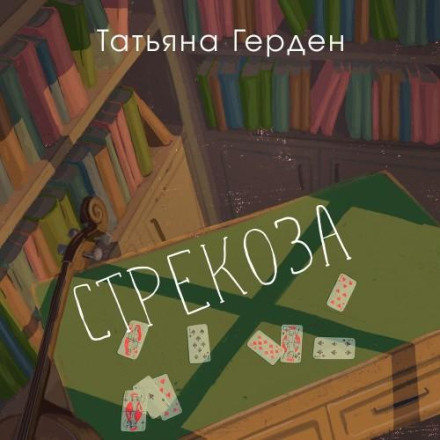
Стрекоза
13 ч. 20 мин.
Описание
Татьяна Герден населяет свой роман яркими, притягательными героями. Она щедро наделяет их редкими талантами, странными увлечениями и самобытными характерами, свободно соединяет разные стили и жанры, легко рушит шаблоны и не признает жестких канонов. Недаром она вспоминает правило японских мастеров икебаны: важнее всех предписаний — то, что разум и сердце художника не должны быть ими связаны.
Конец 1950-х. Провинциальный Песчанск — самый обычный на вид город, где живет такой же, кажется, обычный парень Сева Чернихин.
Но его обыденность — лишь маска. Днем Сева стоит у станка на заводе, а по вечерам играет на старом трофейном контрабасе по имени Амадеус и пишет музыку. Он азартно любит преферанс, рисует и бросается в короткие романтические истории — будто пытаясь заглушить и отодвинуть кошмары, которые не отпускают его после трагической смерти матери.
В том же Песчанске живет Людвика. Учитель рисования прозвал ее Стрекозой — за тонкость, хрупкость и большие голубые глаза. Однако за внешней нежностью скрывается твердый характер: Людвика отлично разбирается в оружии из коллекции отца, метко стреляет в тире и мечтает стать врачом.
Кажется, между ними не может быть ничего общего. Но судьба любит странные узоры — особенно когда сводит вместе тех, кто, на первый взгляд, совершенно не подходит друг другу.
Конец 1950-х. Провинциальный Песчанск — самый обычный на вид город, где живет такой же, кажется, обычный парень Сева Чернихин.
Но его обыденность — лишь маска. Днем Сева стоит у станка на заводе, а по вечерам играет на старом трофейном контрабасе по имени Амадеус и пишет музыку. Он азартно любит преферанс, рисует и бросается в короткие романтические истории — будто пытаясь заглушить и отодвинуть кошмары, которые не отпускают его после трагической смерти матери.
В том же Песчанске живет Людвика. Учитель рисования прозвал ее Стрекозой — за тонкость, хрупкость и большие голубые глаза. Однако за внешней нежностью скрывается твердый характер: Людвика отлично разбирается в оружии из коллекции отца, метко стреляет в тире и мечтает стать врачом.
Кажется, между ними не может быть ничего общего. Но судьба любит странные узоры — особенно когда сводит вместе тех, кто, на первый взгляд, совершенно не подходит друг другу.
100%
12:53
01
16:56
02
14:22
03
09:53
04
13:29
05
14:22
06
14:21
07
20:22
08
13:34
09
17:03
10
11:41
11
32:41
12
17:46
13
17:19
14
16:29
15
14:34
16
27:05
17
11:02
18
19:26
19
17:52
20
23:16
21
29:36
22
22:10
23
15:43
24
32:52
25
24:37
26
22:10
27
21:23
28
22:47
29
16:07
30
23:41
31
30:08
32
21:50
33
19:13
34
19:42
35
16:07
36
23:11
37
24:22
38
38:03
39
20:40
40
