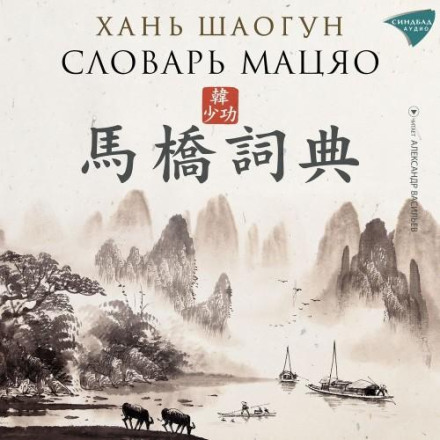
Словарь Мацяо
16 ч. 53 мин.
Описание
«Словарь Мацяо» (1996) – самое значительное произведение автора, отмеченное Шанхайской литературной премией. Роман входит в список «100 лучших произведений китайской литературы XX века» издания Asia Weekly.
Некоторые критики сравнивали «Словарь Мацяо» с «Хазарским словарём» Милорада Павича: оба текста предстают в виде словарей. Однако Хань Шаогун вводит также серию виньеток, замаскированных под статьи, а в центр сюжета помещает молодого человека, “перемещённого” в деревеньку в сельской местности Китая в 1960-е годы. Основанный на смелых изобретениях, и увлекательное, комичное, глубоко волнующее путешествие по темному сердцу культурной революции. В записях прослеживаются мудрость и нелепость Мацяо: мелкие ссоры, семейные обиды, бедность, неверность, фантазии, сумасшедшие, хулиганы, суеверия и особенно странная логика в использовании языка.
Признанный одним из самых значительных произведений современной китайской литературы «Словарь Мацяо» – многослойное повествование в форме словаря диалекта вымышленной местности на юге Китая, куда рассказчика отправили на «перевоспитание» в годы «культурной революции». Словарные статьи складываются в неторопливое повествование, которое знакомит читателя с обитателями деревни Мацяо, их традициями, фольклором и верованиями, но в целом книга читается как настоящая энциклопедия Китая ХХ века. Очень глубокий и поэтичный роман, насыщенный колоритом китайской глубинки и слегка приправленный магическим реализмом. Входит в список «100 лучших произведений китайской литературы ХХ века», составленный изданием Asia Weekly.
Мацяо – глухая деревушка в горной Хунани, осколок доконфуцианской культуры. В годы «культурной революции» в такие деревни отправляли городских школь-. ников и студентов «на перевоспитание» – так пятнадцатилетний герой попадает в Мацяо. Там он проведет шесть лет, будет гнуть спину в поле, влюбляться, учить местный диалект, украшать все горизонтальные поверхности изречениями председателя Мао и всеми силами рваться обратно в город. Наконец вырвется, но спустя годы окажется, что Мацяо была тем самым заповедным Персиковым источником, куда уже невозможно вернуться.
Некоторые критики сравнивали «Словарь Мацяо» с «Хазарским словарём» Милорада Павича: оба текста предстают в виде словарей. Однако Хань Шаогун вводит также серию виньеток, замаскированных под статьи, а в центр сюжета помещает молодого человека, “перемещённого” в деревеньку в сельской местности Китая в 1960-е годы. Основанный на смелых изобретениях, и увлекательное, комичное, глубоко волнующее путешествие по темному сердцу культурной революции. В записях прослеживаются мудрость и нелепость Мацяо: мелкие ссоры, семейные обиды, бедность, неверность, фантазии, сумасшедшие, хулиганы, суеверия и особенно странная логика в использовании языка.
Признанный одним из самых значительных произведений современной китайской литературы «Словарь Мацяо» – многослойное повествование в форме словаря диалекта вымышленной местности на юге Китая, куда рассказчика отправили на «перевоспитание» в годы «культурной революции». Словарные статьи складываются в неторопливое повествование, которое знакомит читателя с обитателями деревни Мацяо, их традициями, фольклором и верованиями, но в целом книга читается как настоящая энциклопедия Китая ХХ века. Очень глубокий и поэтичный роман, насыщенный колоритом китайской глубинки и слегка приправленный магическим реализмом. Входит в список «100 лучших произведений китайской литературы ХХ века», составленный изданием Asia Weekly.
Мацяо – глухая деревушка в горной Хунани, осколок доконфуцианской культуры. В годы «культурной революции» в такие деревни отправляли городских школь-. ников и студентов «на перевоспитание» – так пятнадцатилетний герой попадает в Мацяо. Там он проведет шесть лет, будет гнуть спину в поле, влюбляться, учить местный диалект, украшать все горизонтальные поверхности изречениями председателя Мао и всеми силами рваться обратно в город. Наконец вырвется, но спустя годы окажется, что Мацяо была тем самым заповедным Персиковым источником, куда уже невозможно вернуться.
