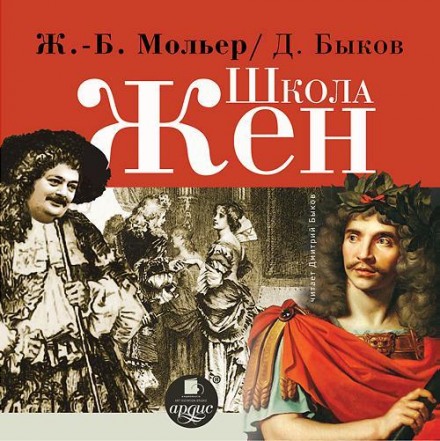
Школа дружин
1 год. 10 хв.
Опис
«Школа жінок» (фр. L’École des femmes) — п’ятиактна театральна комедія Мольєра у віршах, прем’єра відбулася в театрі Пале-Рояль 26 грудня 1662 року. Присвячена Анрієтті Англійській, дружині герцога Орлеанського, офіційному покровителю трупи.
Дійові особи:
• Арнольф, інакше званий паном де ла Суш.
Першим виконавцем ролі був сам Мольєр. Серед відомих виконавців на французькій сцені Жан Батист Франсуа Прово (fr: Jean-Baptiste François Provost), Люсьєн Гітрі (fr: Lucien Guitry), російські актори XIX століття: М. С. Щепкін і С. В. Шумський (1869); на німецькій сцені Арібер Вешер (de: Aribert Wäscher), на італійській сцені Мемо Бенасі (it: Memo Benassi), на болгарській сцені Костянтин Кисимов.
• Агнеса, невинна молода дівчина, вихованка Арнольфа.
Першою виконавицею ролі актриса трупи Мольєра Катрін Дебрі (De Brie). На російській сцені в цій ролі виступали Н. М. Медведєва (1847, Малий театр), А. П. Кравченко, Н. С. Васильєва (1870, Малий театр), М. Д. Львова-Синєцька.
• Орас, коханий Агнеси.
Перший виконавець Лагранж.
• Ален, селянин, слуга Арнольфа.
Перший виконавець fr: Brécourt
• Жоржетта, селянка, служниця Арнольфа.
Перша виконавиця Мадлен Бежар або Лагранж (fr: Mademoiselle La Grange)
• Кризальд, друг Арнольфа.
Перший виконавець Франсуа Бедо
• Енрик, зять Кризальда.
• Оронт, батько Ораса й близький друг Арнольфа.
• Нотаріус.
Перший виконавець — Дебрі fr: De Brie
Аудіокнига «Школа жінок» — комедія Ж.-Б. Мольєра в перекладі та виконанні відомого сучасного поета, прозаїка і публіциста Дмитра Бикова.
Зберігши класичну форму, стиль і манеру оригіналу, перекладач зумів—з притаманним йому неповторним відчуттям гумору—адаптувати французьку п’єсу часів Людовіка XIV до сучасності, додати текстові XVII століття динамічності та віршованої легкості. Комедія Мольєра в переробці Дмитра Бикова набула зовсім нового звучання й отримала несподівано свіжу та оригінальну трактовку.
Дійові особи:
• Арнольф, інакше званий паном де ла Суш.
Першим виконавцем ролі був сам Мольєр. Серед відомих виконавців на французькій сцені Жан Батист Франсуа Прово (fr: Jean-Baptiste François Provost), Люсьєн Гітрі (fr: Lucien Guitry), російські актори XIX століття: М. С. Щепкін і С. В. Шумський (1869); на німецькій сцені Арібер Вешер (de: Aribert Wäscher), на італійській сцені Мемо Бенасі (it: Memo Benassi), на болгарській сцені Костянтин Кисимов.
• Агнеса, невинна молода дівчина, вихованка Арнольфа.
Першою виконавицею ролі актриса трупи Мольєра Катрін Дебрі (De Brie). На російській сцені в цій ролі виступали Н. М. Медведєва (1847, Малий театр), А. П. Кравченко, Н. С. Васильєва (1870, Малий театр), М. Д. Львова-Синєцька.
• Орас, коханий Агнеси.
Перший виконавець Лагранж.
• Ален, селянин, слуга Арнольфа.
Перший виконавець fr: Brécourt
• Жоржетта, селянка, служниця Арнольфа.
Перша виконавиця Мадлен Бежар або Лагранж (fr: Mademoiselle La Grange)
• Кризальд, друг Арнольфа.
Перший виконавець Франсуа Бедо
• Енрик, зять Кризальда.
• Оронт, батько Ораса й близький друг Арнольфа.
• Нотаріус.
Перший виконавець — Дебрі fr: De Brie
Аудіокнига «Школа жінок» — комедія Ж.-Б. Мольєра в перекладі та виконанні відомого сучасного поета, прозаїка і публіциста Дмитра Бикова.
Зберігши класичну форму, стиль і манеру оригіналу, перекладач зумів—з притаманним йому неповторним відчуттям гумору—адаптувати французьку п’єсу часів Людовіка XIV до сучасності, додати текстові XVII століття динамічності та віршованої легкості. Комедія Мольєра в переробці Дмитра Бикова набула зовсім нового звучання й отримала несподівано свіжу та оригінальну трактовку.
100%
11:15
01-shkola-shyon
12:13
02-shkola-shyon
12:45
03-shkola-shyon
14:22
04-shkola-shyon
19:27
05-shkola-shyon
