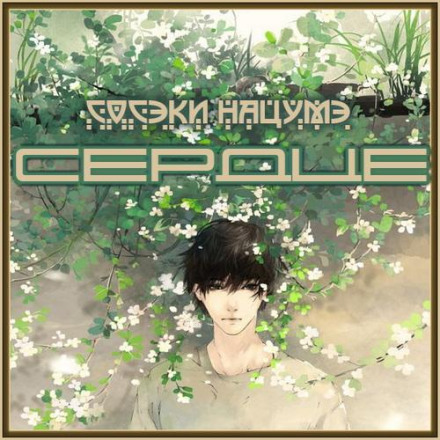
Серце
8 год. 26 хв.
Мова
російська
Автор
Сосекі Нацуме
Автор
Сосекі Нацуме
Читець
Сергій Кірсанов
Читець
Сергій Кірсанов
Опис
Роман «Серце» Нацуме Сосекі вперше побачив світ у 1914 році на сторінках газети «Асахі Сімбун». Твір складається з трьох частин і включає сто десять глав. Центральна тема роману, позначена в самій назві, — внутрішній світ людини, її «кокоро» в епоху драматичних подій, які переживала Японія на межі століть і формацій.
У себе на батьківщині роман є справжнім бестселером і неодноразово екранізувався.
«Серце / Кокоро» — одне з перших, знакових творів сучасної японської літератури, перекладених російською мовою. У 1935 році вийшов переклад академіка Н. І. Конрада, а в 1943 році — переклад С. Шахматова та Х. Хірай. І в одному, і в іншому випадку назву роману було перекладено як «Серце». У третьому перекладі роману російською назва звучить як «Кокоро».
У себе на батьківщині роман є справжнім бестселером і неодноразово екранізувався.
«Серце / Кокоро» — одне з перших, знакових творів сучасної японської літератури, перекладених російською мовою. У 1935 році вийшов переклад академіка Н. І. Конрада, а в 1943 році — переклад С. Шахматова та Х. Хірай. І в одному, і в іншому випадку назву роману було перекладено як «Серце». У третьому перекладі роману російською назва звучить як «Кокоро».
100%
01:27
001_vstupleniye
19:00
002_predisloviye
04:21
003_ch_1_uchitel_i_ya_01
03:54
004_ch_1_uchitel_i_ya_02
04:39
005_ch_1_uchitel_i_ya_03
04:43
006_ch_1_uchitel_i_ya_04
03:58
007_ch_1_uchitel_i_ya_05
04:26
008_ch_1_uchitel_i_ya_06
03:40
009_ch_1_uchitel_i_ya_07
03:50
010_ch_1_uchitel_i_ya_08
04:18
011_ch_1_uchitel_i_ya_09
03:40
012_ch_1_uchitel_i_ya_10
03:45
013_ch_1_uchitel_i_ya_11
03:52
014_ch_1_uchitel_i_ya_12
04:15
015_ch_1_uchitel_i_ya_13
04:01
016_ch_1_uchitel_i_ya_14
04:24
017_ch_1_uchitel_i_ya_15
03:46
018_ch_1_uchitel_i_ya_16
03:34
019_ch_1_uchitel_i_ya_17
03:45
020_ch_1_uchitel_i_ya_18
04:14
021_ch_1_uchitel_i_ya_19
04:26
022_ch_1_uchitel_i_ya_20
03:50
023_ch_1_uchitel_i_ya_21
03:56
024_ch_1_uchitel_i_ya_22
04:50
025_ch_1_uchitel_i_ya_23
03:36
026_ch_1_uchitel_i_ya_24
04:31
027_ch_1_uchitel_i_ya_25
04:24
028_ch_1_uchitel_i_ya_26
04:00
029_ch_1_uchitel_i_ya_27
03:50
030_ch_1_uchitel_i_ya_28
04:21
031_ch_1_uchitel_i_ya_29
04:10
032_ch_1_uchitel_i_ya_30
04:27
033_ch_1_uchitel_i_ya_31
04:25
034_ch_1_uchitel_i_ya_32
04:05
035_ch_1_uchitel_i_ya_33
03:33
036_ch_1_uchitel_i_ya_34
04:04
037_ch_1_uchitel_i_ya_35
04:22
038_ch_1_uchitel_i_ya_36
04:28
039_ch_2_roditeli_i_ya_01
04:02
040_ch_2_roditeli_i_ya_02
04:08
041_ch_2_roditeli_i_ya_03
04:03
042_ch_2_roditeli_i_ya_04
04:43
043_ch_2_roditeli_i_ya_05
03:55
044_ch_2_roditeli_i_ya_06
04:03
045_ch_2_roditeli_i_ya_07
04:02
046_ch_2_roditeli_i_ya_08
04:15
047_ch_2_roditeli_i_ya_09
04:18
048_ch_2_roditeli_i_ya_10
04:16
049_ch_2_roditeli_i_ya_11
04:31
050_ch_2_roditeli_i_ya_12
04:10
051_ch_2_roditeli_i_ya_13
03:49
052_ch_2_roditeli_i_ya_14
04:06
053_ch_2_roditeli_i_ya_15
04:21
054_ch_2_roditeli_i_ya_16
04:16
055_ch_2_roditeli_i_ya_17
04:14
056_ch_2_roditeli_i_ya_18
04:28
057_ch_3_Pismo_uchitelya_01
04:32
058_ch_3_pismo_uchitelya_02
04:03
059_ch_3_pismo_uchitelya_03
04:42
060_ch_3_pismo_uchitelya_04
04:22
061_ch_3_pismo_uchitelya_05
04:14
062_ch_3_pismo_uchitelya_06
04:36
063_ch_3_pismo_uchitelya_07
04:09
064_ch_3_pismo_uchitelya_08
04:37
065_ch_3_pismo_uchitelya_09
04:32
066_ch_3_pismo_uchitelya_10
05:15
067_ch_3_pismo_uchitelya_11
04:34
068_ch_3_pismo_uchitelya_12
04:37
069_ch_3_pismo_uchitelya_13
04:38
070_ch_3_pismo_uchitelya_14
04:12
071_ch_3_pismo_uchitelya_15
04:16
072_ch_3_pismo_uchitelya_16
04:30
073_ch_3_pismo_uchitelya_17
03:46
074_ch_3_pismo_uchitelya_18
04:31
075_ch_3_pismo_uchitelya_19
04:22
076_ch_3_pismo_uchitelya_20
04:54
077_ch_3_pismo_uchitelya_21
04:14
078_ch_3_pismo_uchitelya_22
04:20
079_ch_3_pismo_uchitelya_23
03:55
080_ch_3_pismo_uchitelya_24
04:26
081_ch_3_pismo_uchitelya_25
04:32
082_ch_3_pismo_uchitelya_26
04:06
083_ch_3_pismo_uchitelya_27
04:22
084_ch_3_pismo_uchitelya_28
04:38
085_ch_3_pismo_uchitelya_29
04:31
086_ch_3_pismo_uchitelya_30
04:47
087_ch_3_pismo_uchitelya_31
04:29
088_ch_3_pismo_uchitelya_32
04:13
089_ch_3_pismo_uchitelya_33
04:16
090_ch_3_pismo_uchitelya_34
04:06
091_ch_3_pismo_uchitelya_35
03:49
092_ch_3_pismo_uchitelya_36
04:20
093_ch_3_pismo_uchitelya_37
04:23
094_ch_3_pismo_uchitelya_38
04:23
095_ch_3_pismo_uchitelya_39
04:18
096_ch_3_pismo_uchitelya_40
04:29
097_ch_3_pismo_uchitelya_41
04:16
098_ch_3_pismo_uchitelya_42
04:32
099_ch_3_pismo_uchitelya_43
04:11
100_ch_3_pismo_uchitelya_44
04:17
101_ch_3_pismo_uchitelya_45
04:24
102_ch_3_pismo_uchitelya_46
04:11
103_ch_3_pismo_uchitelya_47
04:47
104_ch_3_pismo_uchitelya_48
03:38
105_ch_3_pismo_uchitelya_49
03:45
106_ch_3_pismo_uchitelya_50
04:12
107_ch_3_pismo_uchitelya_51
04:05
108_ch_3_pismo_uchitelya_52
04:10
109_ch_3_pismo_uchitelya_53
04:31
110_ch_3_pismo_uchitelya_54
04:33
111_ch_3_pismo_uchitelya_55
05:36
112_ch_3_pismo_uchitelya_56
16:56
113_poslesloviye
