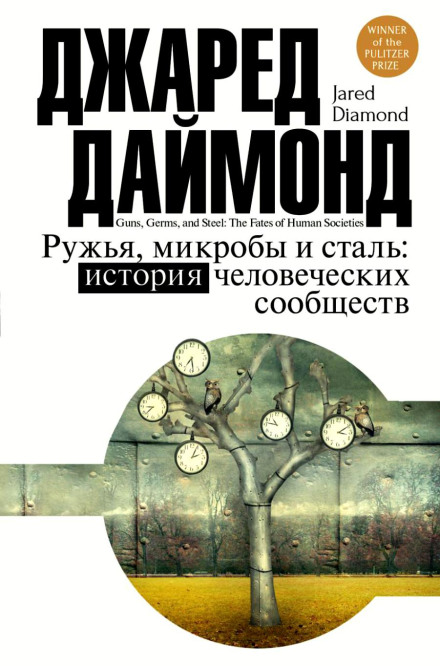
Зброя, мікроби і сталь: історія людських спільнот
14 год. 45 хв.
Мова
російська
Автор
Джаред Даймонд
Автор
Джаред Даймонд
Читець
Валерій Смекалов
Читець
Валерій Смекалов
Опис
Ця книга американського орнітолога, фізіолога й географа Джареда Даймонда стала міжнародним бестселером та принесла її авторові найпрестижнішу Пулітцерівську премію, одразу перетворивши академічного вченого на зірку першої величини. Питання про те, чому різні регіони нашої планети розвивалися так нерівномірно, сьогодні цікавить дуже багатьох: з яких, наприклад, причин австралійські аборигени так і не змогли вийти за межі кам’яного віку, тоді як європейці навчилися створювати надскладні знаряддя, будувати космічні кораблі й передавати нагромаджені знання наступним поколінням? Спираючись на дані географії, ботаніки, зоології, мікробіології, лінгвістики та інших наук, Даймонд переконливо доводить, що асиметрія розвитку різних частин світу не є випадковою й спирається на безліч природних чинників — таких, як середовище існування, клімат, наявність тварин і рослин, придатних для одомашнення, і навіть обриси та розміри континентів. Наводячи безліч захопливих прикладів із власного багатого досвіду спостережень за народами, яких прийнято називати «примітивними», а також із всесвітньої історії, Даймонд вибудовує цілісну й переконливу теорію, яка дає читачеві змогу по-новому осмислити приховані механізми розвитку людської цивілізації.
