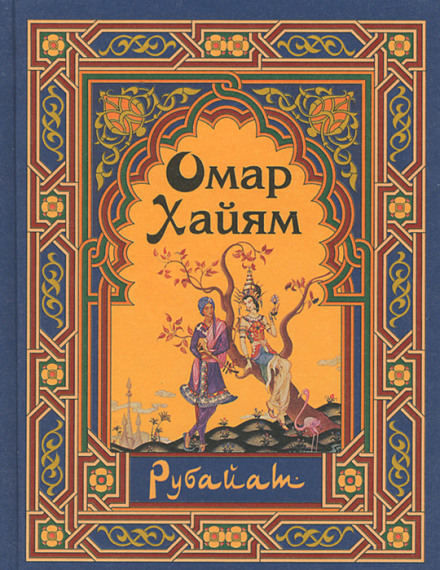
Рубаї
2 год. 18 хв.
Опис
Творчість Омара Хайяма — одне з дивовижних явищ в історії культури народів Середньої Азії та Ірану, і, мабуть, усього людства. Якщо праці Хайяма принесли величезну користь розвиткові наук, то чудові чотиривірші й досі підкорюють читачів своєю граничною місткістю, лаконічністю, простотою образотворчих засобів, гнучким ритмом.
Про поезію Омара Хайяма дослідники судять по-різному. Дехто вважає, що поетична творчість була для нього просто забавою, якій він віддавався у вільний від основних наукових занять час. Та все ж рубаї Хайяма, не знаючи ні часових, ні національних меж, пережили століття й династії, дійшли до наших днів. Ось що пише про це один із найкращих перекладачів Хайяма — Герман Плісецький.
«Вірші такого поета, як Омар Хайям, можливо, не потребують передмови. Але оскільки час його творчості відділений від нас вісьмома століттями, я наважуюся додати кілька слів від себе. Мені хочеться розповісти, як поступово змінювалося моє власне уявлення про поета, якого я перекладав. Складного поета часто спрощують. У багатьох, і в мене в тому числі, склався образ такого собі веселого старця з незмінною чашею в руці, який між іншим проголошує істини. Невідповідність цього шаблону істинній поезії Хайяма я відчув уже при роботі над першими чотиривіршами. І поступово крізь рядки віршів почав проступати образ зовсім іншої людини. Сперечальник із Богом, безстрашний розум, чужий ілюзіям, учений, і в вірші прагне до точної формули, до афоризму. Кожне чотиривірш — це рівняння. Одна й та сама думка варіюється багаторазово, розглядається з різних боків. Посилки ті самі, а висновки інколи прямо протилежні. Є в цих крайнощах висока єдність — жива особистість поета, що примиряє будь-які суперечності. Хайям протягом свого довгого життя постійно повертатися до важливих для нього думок, переглядаючи їх знову й знову, так і ми, ще не раз повертатимемося до його творчості, здавалося б такої ясної й зрозумілої, але кожного разу відкриває нові можливості, нову точку зору…»
Про поезію Омара Хайяма дослідники судять по-різному. Дехто вважає, що поетична творчість була для нього просто забавою, якій він віддавався у вільний від основних наукових занять час. Та все ж рубаї Хайяма, не знаючи ні часових, ні національних меж, пережили століття й династії, дійшли до наших днів. Ось що пише про це один із найкращих перекладачів Хайяма — Герман Плісецький.
«Вірші такого поета, як Омар Хайям, можливо, не потребують передмови. Але оскільки час його творчості відділений від нас вісьмома століттями, я наважуюся додати кілька слів від себе. Мені хочеться розповісти, як поступово змінювалося моє власне уявлення про поета, якого я перекладав. Складного поета часто спрощують. У багатьох, і в мене в тому числі, склався образ такого собі веселого старця з незмінною чашею в руці, який між іншим проголошує істини. Невідповідність цього шаблону істинній поезії Хайяма я відчув уже при роботі над першими чотиривіршами. І поступово крізь рядки віршів почав проступати образ зовсім іншої людини. Сперечальник із Богом, безстрашний розум, чужий ілюзіям, учений, і в вірші прагне до точної формули, до афоризму. Кожне чотиривірш — це рівняння. Одна й та сама думка варіюється багаторазово, розглядається з різних боків. Посилки ті самі, а висновки інколи прямо протилежні. Є в цих крайнощах висока єдність — жива особистість поета, що примиряє будь-які суперечності. Хайям протягом свого довгого життя постійно повертатися до важливих для нього думок, переглядаючи їх знову й знову, так і ми, ще не раз повертатимемося до його творчості, здавалося б такої ясної й зрозумілої, але кожного разу відкриває нові можливості, нову точку зору…»
