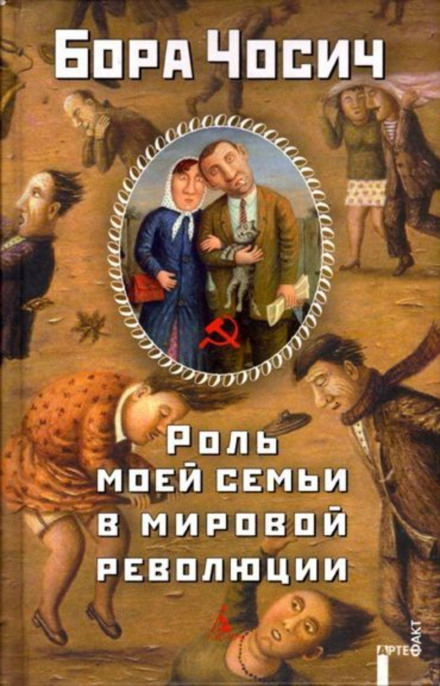
Роль моєї сім'ї у світовій революції
5 год. 36 хв.
Мова
російська
Автор
Бора Чосич
Автор
Бора Чосич
Читець
Олександр Аравушкін
Читець
Олександр Аравушкін
Опис
Бора Чосич — один із найпомітніших сербських і хорватських авторів ХХ століття. Його роман «Роль моєї родини в світовій революції» побудований як літературна мозаїка, яку складає маленький хлопчик: із дитячою прямотою він переказує історії про свою рідню.
У їхньому домі постійно щось відбувалося. Мати починала плакати з приходом осені. Батько возив у валізі клаптики тканини. Незаміжні тітки роздавали всі гроші вуличним музикантам. Дід незмінно підсміювався над людьми навколо. А потім у Югославію увійшли німецькі війська — і дядько «включив грамофон, щоб заглушити крики».
Мілоґрад Павич вважав, що ознака справді хорошої книги — можливість відкрити її на будь-якій сторінці й одразу почати читати. «Роль моєї родини в світовій революції» — саме такі романи.
У видання також включено «Записну книжку Музіля» — сюрреалістичну повість, знову про родину й повсякденність. Тут Чосич знову вдається до карнавального способу письма, віддаючи належне ідеям Михайла Бахтіна.
У їхньому домі постійно щось відбувалося. Мати починала плакати з приходом осені. Батько возив у валізі клаптики тканини. Незаміжні тітки роздавали всі гроші вуличним музикантам. Дід незмінно підсміювався над людьми навколо. А потім у Югославію увійшли німецькі війська — і дядько «включив грамофон, щоб заглушити крики».
Мілоґрад Павич вважав, що ознака справді хорошої книги — можливість відкрити її на будь-якій сторінці й одразу почати читати. «Роль моєї родини в світовій революції» — саме такі романи.
У видання також включено «Записну книжку Музіля» — сюрреалістичну повість, знову про родину й повсякденність. Тут Чосич знову вдається до карнавального способу письма, віддаючи належне ідеям Михайла Бахтіна.
100%
13:55
01
14:37
02
22:53
03
25:43
04
07:19
05
18:51
06
37:57
07
43:57
08
19:24
09
37:49
10
21:48
11
02:46
12
07:48
13
09:14
14
05:26
15
07:23
16
11:28
17
10:36
18
17:21
19
