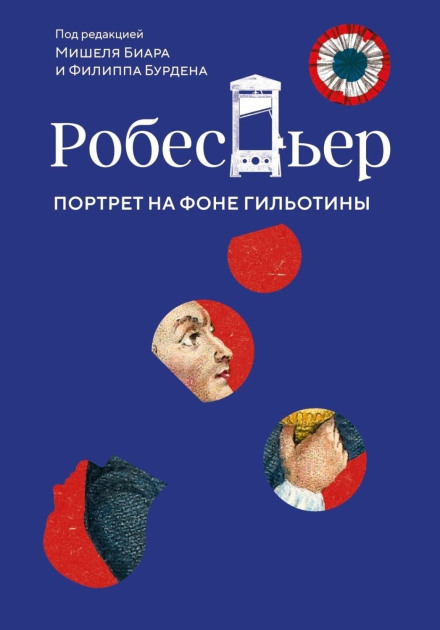
Робеспьер. Портрет на фоне гильотины
9 ч. 19 мин.
Описание
Максимильен Робеспьер — одновременно символ революции и палач своих вчерашних союзников, реформатор-освободитель и настороженный тиран, «неподкупный» государственный деятель и одержимый фанатик. После гибели на гильотине он перестал быть просто исторической фигурой и превратился в мрачный миф. Но возможно ли дать однозначное определение человеку, чья жизнь была соткана из противоречий, расчетливости и непрерывной борьбы? Может ли современный взгляд на его решения и политический курс приблизить нас к пониманию его характера? Разбирая эти и другие вопросы, составители издания — историки Филипп Бурден и Мишель Биар — исследуют культурное и историческое наследие Робеспьера.
«Этого человека и его наследие нужно изучать снова и снова, чтобы лучше понимать; работать с его образами, бережно хранить память о нем, углублять историографию. Ко всему этому он сам — чаще всего невольно — побуждал и в накале, и в трагедии революционных событий: в коллективном бессознательном, вновь и вновь возникающем на страницах национальной литературы под влиянием политических потрясений, то при избытке архивных свидетельств, то, напротив, при печальной недосказанности». (Филипп Бурден, Мишель Биар)
«Этого человека и его наследие нужно изучать снова и снова, чтобы лучше понимать; работать с его образами, бережно хранить память о нем, углублять историографию. Ко всему этому он сам — чаще всего невольно — побуждал и в накале, и в трагедии революционных событий: в коллективном бессознательном, вновь и вновь возникающем на страницах национальной литературы под влиянием политических потрясений, то при избытке архивных свидетельств, то, напротив, при печальной недосказанности». (Филипп Бурден, Мишель Биар)
100%
00:12
01. Заглавие и выходные данные
10:03
02. Введение. Робеспьер. Вопросы
33:54
03. 1. Адвокат. Между судом и общественным пространством
34:31
04. 2. Максимилиан Робеспьер в живой тени Жан-Жака Руссо
33:07
05. 3. Молодость Максимилиана Робеспьера и его отношения с семьей во время революции
35:11
06. 4. Робеспьер - борец за права человека и гражданина
34:17
07. 5. Робеспьер и отмена «убийства по закону»
35:02
08. 6. Робеспьер и колониальный вопрос
34:08
09. 7. Робеспьер и война
48:05
10. 8. Образование по Робеспьеру
38:57
11. 9. Миф о «великом жреце» революции. Робеспьер, религия и верховное существо
38:48
12. 10. Робеспьер перед вызовом равенства и социальной политики
40:52
13. 11. «Полис» Робеспьера (Январь 1793 - апрель 1794 года)
37:57
14. 12. Робеспьер - диктатор
33:51
15. 13. Двойная смерть Робеспьера
34:01
16. 14. Воплощение революции. лики Робеспьера
36:10
17. 15. Историография и суд потомков. «Сжальтесь, просто скажите нам. Каким был Робеспьер»
