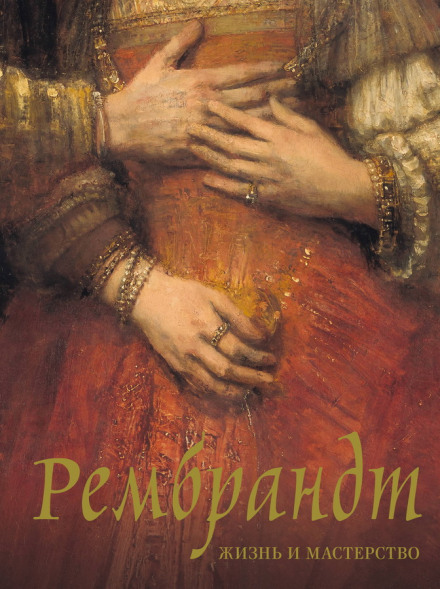
Рембрандт. Життя і майстерність
2 год. 21 хв.
Мова
російська
Автор
Ніна Геташвілі
Автор
Ніна Геташвілі
Читець
Ірина Овчиннікова
Читець
Ірина Овчиннікова
Опис
Поглиблення у світ світла й темряви великого художника, де особисті потрясіння нерозривно пов’язані з його художніми відкриттями. Розповідь про те, як живопис ставав мовою почуттів і чому його автопортрети продовжують хвилювати глядача через століття, відкриває не лише послідовність подій, а й внутрішню логіку, філософію його мистецтва.
Ніна Вікторівна Геташвілі (1950–2023) — письменниця, кандидат мистецтвознавства, доцент і педагог, почесний член Російської академії мистецтв, автор численних книг і альбомів про мистецтво.
Її книга «Рембрандт. Життя і майстерність» присвячена долі та творчій спадщині Рембрандта ван Рейна — одного з найбільших майстрів світового живопису. Авторка проводить читача ключовими етапами його шляху: від ранніх біблійних сюжетів і глибоких портретів до пізніх полотен, позначених драматизмом і філософською насиченістю.
На сторінках видання розкриваються секрети рембрандтівської манери: тонка гра світла й тіні, психологічна точність образів, сміливе переосмислення жанру автопортрета. Тут же — погляд на самого художника, який пережив тріумфи й втрати, любов і розчарування. Це не просто виклад фактів, а спроба простежити його пошуки правди — в мистецтві й у житті: як фарби перетворювалися на емоції, що змушує автопортрети звучати так сучасно, і що ховається за сяйвом та сутінками його картин. Перед вами — біографія творця.
Ніна Вікторівна Геташвілі (1950–2023) — письменниця, кандидат мистецтвознавства, доцент і педагог, почесний член Російської академії мистецтв, автор численних книг і альбомів про мистецтво.
Її книга «Рембрандт. Життя і майстерність» присвячена долі та творчій спадщині Рембрандта ван Рейна — одного з найбільших майстрів світового живопису. Авторка проводить читача ключовими етапами його шляху: від ранніх біблійних сюжетів і глибоких портретів до пізніх полотен, позначених драматизмом і філософською насиченістю.
На сторінках видання розкриваються секрети рембрандтівської манери: тонка гра світла й тіні, психологічна точність образів, сміливе переосмислення жанру автопортрета. Тут же — погляд на самого художника, який пережив тріумфи й втрати, любов і розчарування. Це не просто виклад фактів, а спроба простежити його пошуки правди — в мистецтві й у житті: як фарби перетворювалися на емоції, що змушує автопортрети звучати так сучасно, і що ховається за сяйвом та сутінками його картин. Перед вами — біографія творця.
100%
13:14
Рембрандт. Жизнь и мастерство 01
04:19
Рембрандт. Жизнь и мастерство 02
04:51
Рембрандт. Жизнь и мастерство 03
02:14
Рембрандт. Жизнь и мастерство 04
02:51
Рембрандт. Жизнь и мастерство 05
01:12
Рембрандт. Жизнь и мастерство 06
02:00
Рембрандт. Жизнь и мастерство 07
04:34
Рембрандт. Жизнь и мастерство 08
05:54
Рембрандт. Жизнь и мастерство 09
02:40
Рембрандт. Жизнь и мастерство 10
05:55
Рембрандт. Жизнь и мастерство 11
01:56
Рембрандт. Жизнь и мастерство 12
04:40
Рембрандт. Жизнь и мастерство 13
03:15
Рембрандт. Жизнь и мастерство 14
01:16
Рембрандт. Жизнь и мастерство 15
04:32
Рембрандт. Жизнь и мастерство 16
02:54
Рембрандт. Жизнь и мастерство 17
04:26
Рембрандт. Жизнь и мастерство 18
02:01
Рембрандт. Жизнь и мастерство 19
02:18
Рембрандт. Жизнь и мастерство 20
02:15
Рембрандт. Жизнь и мастерство 21
03:35
Рембрандт. Жизнь и мастерство 22
03:06
Рембрандт. Жизнь и мастерство 23
02:49
Рембрандт. Жизнь и мастерство 24
02:07
Рембрандт. Жизнь и мастерство 25
02:02
Рембрандт. Жизнь и мастерство 26
02:03
Рембрандт. Жизнь и мастерство 27
01:45
Рембрандт. Жизнь и мастерство 28
04:59
Рембрандт. Жизнь и мастерство 29
02:09
Рембрандт. Жизнь и мастерство 30
06:03
Рембрандт. Жизнь и мастерство 31
01:18
Рембрандт. Жизнь и мастерство 32
02:12
Рембрандт. Жизнь и мастерство 33
01:57
Рембрандт. Жизнь и мастерство 34
01:45
Рембрандт. Жизнь и мастерство 35
01:36
Рембрандт. Жизнь и мастерство 36
02:08
Рембрандт. Жизнь и мастерство 37
02:11
Рембрандт. Жизнь и мастерство 38
02:34
Рембрандт. Жизнь и мастерство 39
02:31
Рембрандт. Жизнь и мастерство 40
02:50
Рембрандт. Жизнь и мастерство 41
01:51
Рембрандт. Жизнь и мастерство 42
01:23
Рембрандт. Жизнь и мастерство 43
07:00
Рембрандт. Жизнь и мастерство 44
