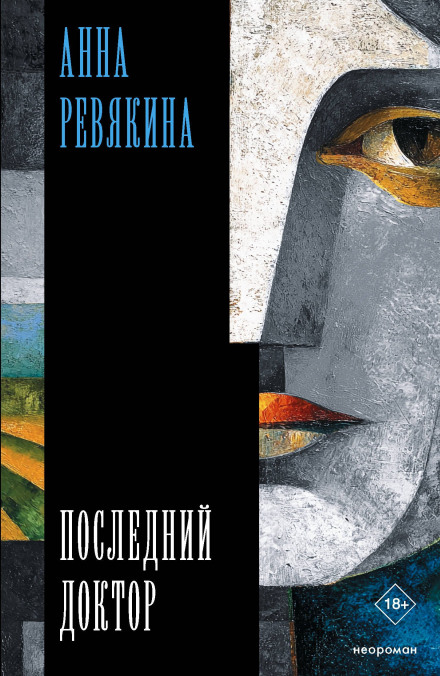
Останній лікар
3 год. 38 хв.
Мова
російська
Автор
Анна Рев'якіна
Автор
Анна Рев'якіна
Читець
Наталія Панankова
Читець
Наталія Панankова
Опис
Повість «Останній доктор» показує Анну Ревякіної несподівано: перед читачем постає не лише поетеса й голос свого часу, а й прозаїк європейського рівня, який працює з категорією часу, механізмами пам’яті та прикордонними станами людської психіки.
Книга сплавляє психологічну прозу XXI століття, прийоми магічного реалізму та метафізичну сповідь — її можна сприймати як екзистенційну драму, психоаналітичну подорож і філософське висловлювання.
«Останній доктор» — особливий текст Ревякіної та перший випуск серії «Неороман» видавництва КДП, орієнтованої на «неформатну», експериментальну прозу.
Повість донецької поетеси, яка стала одним із символів «російської весни», на перший погляд суперечить звичному уявленню про автора. Це твір на межі традицій європейського психологічного роману нового століття й магічного реалізму, де героїня опиняється на самісінькій межі існування — і в екзистенційному, і в прямому, медичному сенсі.
Текст допускає різні прочитання: як психоаналітичний трактат про «агострену реальність», як феміністське письмо, як метафізичний монолог «тварі, що тремтить» про право на «головне» життя, звернений до вищих інстанцій.
При цьому глибина тем і максимально ясна, одразу оголююча суть манера письма повністю знімають розмови про «повістку». Ревякіна використовує сучасні літературні прийоми, нелінійну композицію та прихований внутрішній наратив не задля демонстрації можливостей, а щоб показати нові, незвичні перспективи сучасної російської словесності.
Це яскрава, відверта й парадоксальна повість — і навіть давні читачі Ревякіної побачать у ній улюбленого автора з несподіваного боку.
Книга сплавляє психологічну прозу XXI століття, прийоми магічного реалізму та метафізичну сповідь — її можна сприймати як екзистенційну драму, психоаналітичну подорож і філософське висловлювання.
«Останній доктор» — особливий текст Ревякіної та перший випуск серії «Неороман» видавництва КДП, орієнтованої на «неформатну», експериментальну прозу.
Повість донецької поетеси, яка стала одним із символів «російської весни», на перший погляд суперечить звичному уявленню про автора. Це твір на межі традицій європейського психологічного роману нового століття й магічного реалізму, де героїня опиняється на самісінькій межі існування — і в екзистенційному, і в прямому, медичному сенсі.
Текст допускає різні прочитання: як психоаналітичний трактат про «агострену реальність», як феміністське письмо, як метафізичний монолог «тварі, що тремтить» про право на «головне» життя, звернений до вищих інстанцій.
При цьому глибина тем і максимально ясна, одразу оголююча суть манера письма повністю знімають розмови про «повістку». Ревякіна використовує сучасні літературні прийоми, нелінійну композицію та прихований внутрішній наратив не задля демонстрації можливостей, а щоб показати нові, незвичні перспективи сучасної російської словесності.
Це яскрава, відверта й парадоксальна повість — і навіть давні читачі Ревякіної побачать у ній улюбленого автора з несподіваного боку.
100%
08:06
Последний доктор 01
06:22
Последний доктор 02
09:59
Последний доктор 03
09:25
Последний доктор 04
03:35
Последний доктор 05
09:01
Последний доктор 06
08:59
Последний доктор 07
06:06
Последний доктор 08
04:21
Последний доктор 09
05:35
Последний доктор 10
00:36
Последний доктор 11
07:46
Последний доктор 12
08:22
Последний доктор 13
05:52
Последний доктор 14
09:24
Последний доктор 15
05:50
Последний доктор 16
05:10
Последний доктор 17
06:35
Последний доктор 18
07:53
Последний доктор 19
05:24
Последний доктор 20
05:41
Последний доктор 21
06:43
Последний доктор 22
09:17
Последний доктор 23
05:28
Последний доктор 24
06:24
Последний доктор 25
04:59
Последний доктор 26
09:02
Последний доктор 27
06:12
Последний доктор 28
06:21
Последний доктор 29
05:09
Последний доктор 30
06:55
Последний доктор 31
12:25
Последний доктор 32
