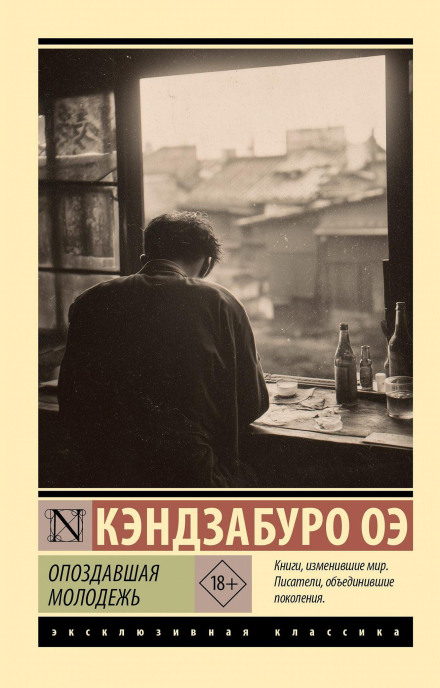
Запізніла молодь
13 год. 36 хв.
Мова
російська
Автор
Кендзабуро Ое
Автор
Кендзабуро Ое
Читець
Олександр Котов
Читець
Олександр Котов
Опис
Поколінню, яке виховали з думкою про необхідність жертвувати собою за імператора, але так і не потрапило на війну, доведеться усвідомити, як жити із почуттям провини за невиконаний обов’язок. Їм потрібно буде шукати своє місце в повоєнній Японії, де старі ідеали зруйнувалися, а суспільство охопили нігілізм та апатія. Головний герой книги «Запізніла молодь», як і його ровесники, виріс із переконанням, що обов’язок кожного японця — вирушити на війну й загинути за імператора. Але на той час, коли він подорослішав, війна завершилася поразкою Японії, а імператор утратив свій божественний статус. Тепер цьому поколінню, запізнілому для героїчної смерті, доведеться навчитися жити зі соромом за невиконаний обов’язок перед батьківщиною й шукати свій шлях у світі, де моральні орієнтири зникли, а колишні ідеали зруйновано. Та як зберегти надії, якщо навколишню дійсність визначають байдужість і нігілізм?
100%
52:20
Опоздавшая молодежь 01
52:38
Опоздавшая молодежь 02
51:31
Опоздавшая молодежь 03
56:02
Опоздавшая молодежь 04
55:10
Опоздавшая молодежь 05
54:28
Опоздавшая молодежь 06
23:43
Опоздавшая молодежь 07
55:39
Опоздавшая молодежь 08
49:58
Опоздавшая молодежь 09
51:49
Опоздавшая молодежь 10
22:24
Опоздавшая молодежь 11
52:07
Опоздавшая молодежь 12
44:06
Опоздавшая молодежь 13
49:22
Опоздавшая молодежь 14
49:36
Опоздавшая молодежь 15
32:21
Опоздавшая молодежь 16
39:03
Опоздавшая молодежь 17
23:58
Опоздавшая молодежь 18
