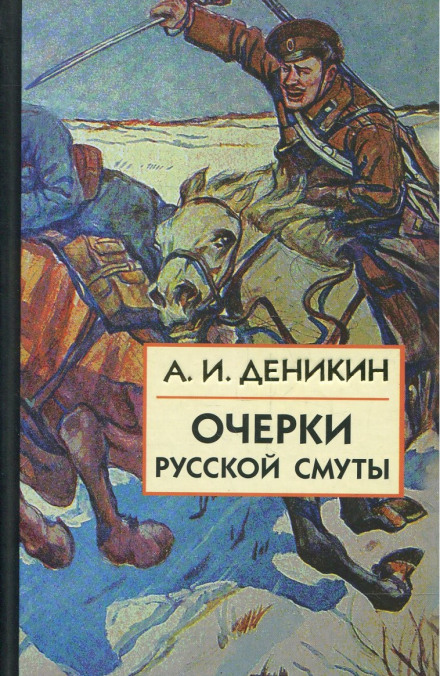
Очерки русской смуты
33 ч. 2 мин.
Описание
Эта работа знаменитого вождя белого движения останется незаменимой для всякого, кто интересуется нашей историей этого периода. Надо признать эту блестящую монографию образцовой по детальности изложения трагических событий и по глубине их анализа. Деникин описывает явное самоизживание царского режима, что сделало революцию не только неотвратимой, но и горячо желанной всеми слоями тогдашнего общества. Однако, с падением старого режима Россию стали разрывать непримиримые классовые и партийные противоречия. Тяжело протекавшая в это время война с Германией, уже захватившей часть русских областей, делала неизбежным продолжение боевых действий как для освобождения своих территорий, так и для выполнения долга перед союзниками. От нового режима, таким образом, требовалось умение сосредоточить в своих руках всю полноту власти для дальнейшей реорганизации страны. Но роковым образом Временное правительство допускает параллельное властное образование: Совдеп, который был широко представлен своими комитетами в армии. Именно этой политической стороной был реализован Приказ № 1, полностью развративший армию. Февральская революция провозгласило равенство всех сословий, но явились силы, которые стремились "углубить" революцию, натравив разные классы русского общества друг на друга. Как происходил этот процесс и кто несет ответственность за бедственное состояние России и что необходимо сделать для ее спасения? Перед нами суждение Антона Деникина.
Второй том "Очерков русской смуты" А.И.Деникина посвящен событиям второй половины 1917 - начала 1918 г. Выступление генерала Корнилова, Октябрьский переворот большевиков, попытки установления легитимной власти через созыв Учредительного Собрания, позорный Брестский мир - эти драматические события окончательно раскололи русское общество и подтолкнули государственно мыслящих военных к созданию Добровольческой армии.
В третьем томе дан анализ сепаратистских течений на окраинах России, демонстрирующий наличие у отдельных национальных элит стойких международных предпочтений и поведенческих стереотипов (сохраняющихся и до настоящего времени). Описаны первые боевые действия Добровольческой армии, отмеченные как успехами, так и поражениями.
Второй том "Очерков русской смуты" А.И.Деникина посвящен событиям второй половины 1917 - начала 1918 г. Выступление генерала Корнилова, Октябрьский переворот большевиков, попытки установления легитимной власти через созыв Учредительного Собрания, позорный Брестский мир - эти драматические события окончательно раскололи русское общество и подтолкнули государственно мыслящих военных к созданию Добровольческой армии.
В третьем томе дан анализ сепаратистских течений на окраинах России, демонстрирующий наличие у отдельных национальных элит стойких международных предпочтений и поведенческих стереотипов (сохраняющихся и до настоящего времени). Описаны первые боевые действия Добровольческой армии, отмеченные как успехами, так и поражениями.
