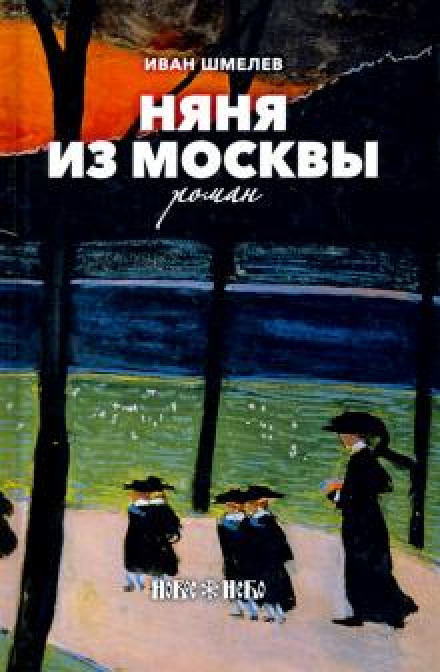
The Nanny from Moscow
8 hrs. 24 min.
Language
Russian
Author
Ivan Shmelyov
Author
Ivan Shmelyov
Narrator
Alexandra Yelagina
Narrator
Alexandra Yelagina
Description
I. S. Shmelev (1873–1956) lived a long, difficult life. He lost a son he loved dearly, who was shot during the Red Terror in Crimea. He also lost his homeland—by leaving Russia, where everything reminded him of that tragedy. Living in exile, I. S. Shmelev tries to restore Russia’s historical setting in his work, but before that, he “restores” his own soul—his lost wholeness. Overcoming the chaos within himself and acquiring a shared national memory—this is the spiritual context of Shmelev’s novel “The Nanny from Moscow” (1932–1933, Paris).
Shmelev was born in Moscow, into a not-wealthy merchant family. He studied at a gymnasium, then at Moscow University in the law faculty. In 1895, he married, and soon his son Sergey was born.
1919–1922 were the worst years for Shmelev. Sergey is shot in the Cheka dungeons in Crimea.
Shmelev’s “Resurrection” happens only in exile, and “The Nanny from Moscow” is one of the proofs of that. The very title of the novel points us to Pushkin’s Arina Rodionovna, to the image of the Russian nanny who keeps warmth in the home hearth and the traditional way of life.
“The Nanny from Moscow” cannot be the main pillar in the family of Glafira, Konstantin, and their spoiled Katenka. Praying for everyone at night, the nanny preserves the true warmth of love in this half-destroyed family.
In the novel, two forces contend— the force of chaos (the chaos of revolutionary years and of a crumbling family) and the opposing power of creation and harmony. Overcoming destruction will be possible with her—uneducated, but sanctifying everything with love: old nanny Darya Stepanovna. Creation after emotional, spiritual, and state ruin is possible—while “nannies from Moscow” exist, people who were not taught to live “for self-development,” but who were given the ability to humbly create holiness of everyday life and the chastity of the home hearth.
Shmelev was born in Moscow, into a not-wealthy merchant family. He studied at a gymnasium, then at Moscow University in the law faculty. In 1895, he married, and soon his son Sergey was born.
1919–1922 were the worst years for Shmelev. Sergey is shot in the Cheka dungeons in Crimea.
Shmelev’s “Resurrection” happens only in exile, and “The Nanny from Moscow” is one of the proofs of that. The very title of the novel points us to Pushkin’s Arina Rodionovna, to the image of the Russian nanny who keeps warmth in the home hearth and the traditional way of life.
“The Nanny from Moscow” cannot be the main pillar in the family of Glafira, Konstantin, and their spoiled Katenka. Praying for everyone at night, the nanny preserves the true warmth of love in this half-destroyed family.
In the novel, two forces contend— the force of chaos (the chaos of revolutionary years and of a crumbling family) and the opposing power of creation and harmony. Overcoming destruction will be possible with her—uneducated, but sanctifying everything with love: old nanny Darya Stepanovna. Creation after emotional, spiritual, and state ruin is possible—while “nannies from Moscow” exist, people who were not taught to live “for self-development,” but who were given the ability to humbly create holiness of everyday life and the chastity of the home hearth.
100%
14:55
01
21:35
02
09:26
03
06:44
04
08:17
05
15:03
06
06:05
07
09:15
08
12:42
09
09:09
10
14:22
11
02:56
12
04:10
13
11:10
14
10:38
15
09:13
16
04:22
17
11:07
18
04:34
19
04:23
20
04:57
21
05:39
22
13:00
23
04:37
24
09:01
25
05:50
26
07:20
27
12:41
28
07:26
29
05:45
30
06:23
31
05:18
32
05:57
33
04:54
34
06:09
35
04:38
36
08:31
37
03:13
38
05:01
39
03:07
40
03:31
41
05:44
42
10:38
43
16:50
44
04:09
45
05:00
46
05:03
47
06:28
48
05:46
49
04:46
50
06:14
51
15:01
52
03:15
53
12:00
54
08:25
55
09:14
56
04:59
57
04:42
58
05:26
59
05:30
60
03:44
61
38:12
62
