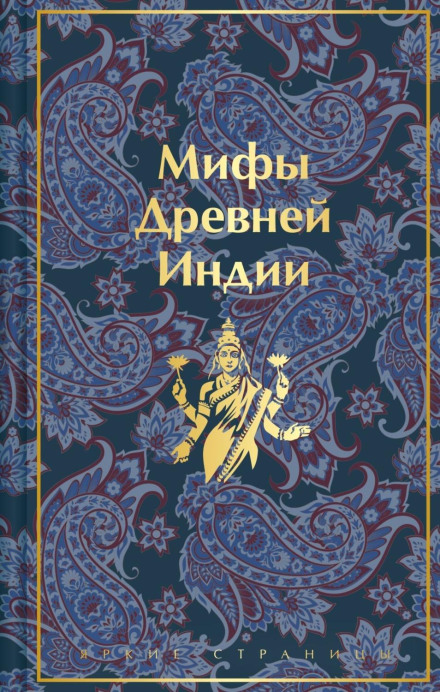
Міфи Стародавньої Індії
14 год. 50 хв.
Мова
російська
Автор
Едуард Тьомкін
Автор
Володимир Ерман
Читець
Анастасія Болотіна
Читець
Анастасія Болотіна
Опис
Індійська міфологія — це величезний пласт сюжетів і образів, увічнених у пам’ятках давньої літератури й охоплює тисячоліття історії. Автори цього видання, подібно до Н. А. Куна з його «Легендами й міфами Давньої Греції», виклали міфи Стародавньої Індії в доступній формі. Їхніми основними джерелами стали «Махабхарата», «Рамаяна», пурани та інші тексти. Сюжети міфів Стародавньої Індії частково перегукуються з античною міфологією. Тут є сказання про створення світу Брахмою та про війну між богами й асурами через викрадення прекрасної Тари, а також історії про пригоди Індри. У міфах пояснюється устрій світу: чому кожного місяця худне й повніє Сома, бог Місяця; чому дракон Раху пожирає Сонце й Місяць, через що відбуваються сонячні та місячні затемнення; і чому через смерть бога Ями з’явилася ніч. При цьому на сторінках книги можна знайти відсилання до біблійного сюжету про всесвітній потоп. Незважаючи на певну схожість із міфами Стародавньої Греції, індійські міфи самобутні. Значну роль у них відіграють святі мудреці й подвижники, які накладають на себе суворі обітниці, тим самим стаючи могутнішими за богів. До подвижництва часто вдаються й демони. Тільки хитрістю богам вдається перемогти підступних асурів і повернути свій вплив над усіма трьома світами. Видання оснащено ілюстраціями, вступною статтею та коментарями, що дають повніше розуміння прочитаного.
