Манфред: сповідь прибульця
11 год. 18 хв.
Опис
В один далеко не безхмарний день у житті Манфреда — 35-річного програміста, трохи занепалого, не надто здорового, глибоко розчарованого й відверто нудного, словом, цілком типовою Homo sapiens, — оголошується прибулець на ім’я Цорргх.
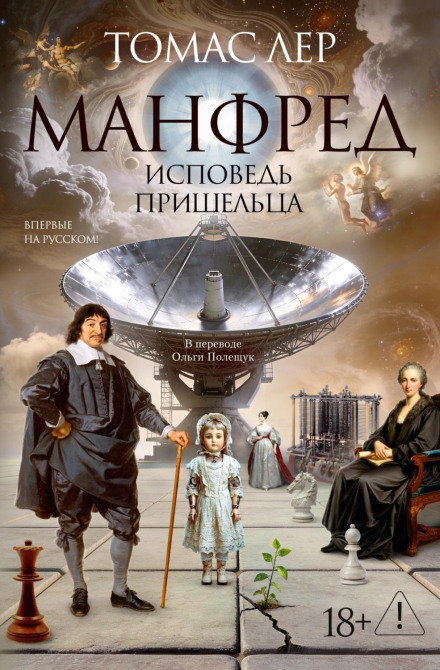
Навіщо представнику надрозвиненої цивілізації знадобився такий непримітний Манфред? Виявляється, він запустив міжгалактичний сигнал тривоги: сам Манфред або хтось поруч із ним наблизився до ПРАВИЛЬНОЇ МИСЛІ — тієї, що здатна підказати людям факт існування інопланетних цивілізацій, хоча Земля ще не дозріла до такого знання. Цорргх уже втручався, коли до небезпечної межі підбиралися Босх, Декарт, Ада Лавлейс і Ейнштейн. Привести Манфреда до тями, встановити контроль, вивчити його оточення, заплутати сліди й тихо розчинитися? Дрібниці. Але незабаром «оновлений» і несподівано для всіх помітно розумніший Манфред знову зустрічає Сабіну — перше кохання, жінку непросту й із власною місією — і тоді інопланетна операція під прикриттям перетворюється на бурхливий балаган, небезпечний і для життя, і для розсудку.
Томас Лер — одна з найбільших і самобутніх постатей сучасної німецької літератури: програміст і філософ, насмішник і ерудит, якого критики порівнюють із Томасом Пінчоном, а ми радше поставили б поруч із Жауме Кабре. «Манфред: сповідь прибульця» — філософський роман, наполовину фарс: одночасно сатира й притча, трагікомедія, розіграна на тирсі циркової арени. Високорозвинені цивілізації дивляться на комічне людство з космічних висот і безсило регочуть — що ще залишається? Краще сміятися, ніж плакати.
Навіщо представнику надрозвиненої цивілізації знадобився такий непримітний Манфред? Виявляється, він запустив міжгалактичний сигнал тривоги: сам Манфред або хтось поруч із ним наблизився до ПРАВИЛЬНОЇ МИСЛІ — тієї, що здатна підказати людям факт існування інопланетних цивілізацій, хоча Земля ще не дозріла до такого знання. Цорргх уже втручався, коли до небезпечної межі підбиралися Босх, Декарт, Ада Лавлейс і Ейнштейн. Привести Манфреда до тями, встановити контроль, вивчити його оточення, заплутати сліди й тихо розчинитися? Дрібниці. Але незабаром «оновлений» і несподівано для всіх помітно розумніший Манфред знову зустрічає Сабіну — перше кохання, жінку непросту й із власною місією — і тоді інопланетна операція під прикриттям перетворюється на бурхливий балаган, небезпечний і для життя, і для розсудку.
Томас Лер — одна з найбільших і самобутніх постатей сучасної німецької літератури: програміст і філософ, насмішник і ерудит, якого критики порівнюють із Томасом Пінчоном, а ми радше поставили б поруч із Жауме Кабре. «Манфред: сповідь прибульця» — філософський роман, наполовину фарс: одночасно сатира й притча, трагікомедія, розіграна на тирсі циркової арени. Високорозвинені цивілізації дивляться на комічне людство з космічних висот і безсило регочуть — що ще залишається? Краще сміятися, ніж плакати.
100%
47:12
01
1:03:26
02
1:02:29
03
1:17:43
04
1:11:56
05
1:41:45
06
1:29:46
07
1:09:59
08
56:28
09
37:55
10
