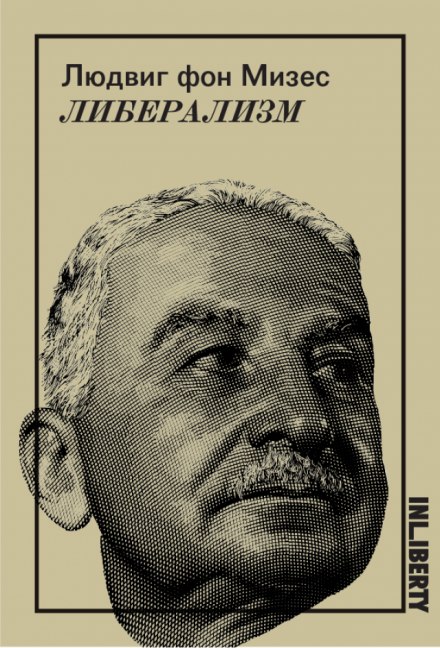
Лібералізм
7 год. 47 хв.
Мова
російська
Автор
Людвіг фон Мізес
Автор
Людвіг фон Мізес
Читець
Артем Логінов
Читець
Артем Логінов
Опис
Єдине систематичне викладення принципів ліберального устрою суспільства й держави, основ ліберальної економічної та зовнішньої політики. Показує тісний зв’язок між міжнародним світом, приватною власністю, громадянськими правами, вільним ринком і економічним процвітанням. Авторові вдалося розвіяти багато сумнівів і непорозумінь, що виникають під час обговорення соціальних і політичних проблем, а також щодо ліберальної доктрини. Призначено для економістів, істориків, соціологів і політологів, а також для всіх, хто цікавиться політичною філософією.
• Передмова автора до англійського видання
• ВСТУП
• 1. Лібералізм
• 2. Матеріальне благополуччя
• 3. Раціоналізм
• 4. Ціль лібералізму
• 5. Лібералізм і капіталізм
• 6. Психологічні корені анти-лібералізму
• I. ОСНОВИ ЛІБЕРАЛЬНОЇ ПОЛІТИКИ
• 1. Власність
• 2. Свобода
• 3. Мир
• 4. Рівність
• 5. Нерівність у розподілі багатства і доходу
• 6. Приватна власність і етика
• 7. Держава і уряд
• 8. Демократія
• 9. Критика доктрини сили
• 10. Аргументи фашизму
• 11. Межі діяльності уряду
• 12. Віротерпимість
• 13. Держава і антисоціальна поведінка
• II. ЛІБЕРАЛЬНА ЕКОНОМІЧНА ПОЛІТИКА
• 1. Організація економіки
• 2. Приватна власність і її критики
• 3. Приватна власність і уряд
• 4. Нездйсненність соціалізму
• 5. Інтервенціонізм
• 6. Капіталізм — єдина можлива система суспільної організації
• 7. Картелі, монополії та лібералізм
• 8. Бюрократизація
• Примітки до глави 2
• III. ЛІБЕРАЛЬНА ЗОВНІШНЯ ПОЛІТИКА
• 1. Межі держави
• 2. Право на самовизначення
• 3. Політичні основи миру
• 4. Націоналізм
• 5. Імперіалізм
• 6. Колоніальна політика
• 7. Вільна торгівля
• 8. Свобода пересування
• 9. Сполучені Штати Європи
• 10. Ліга Націй
• 11. Росія
• IV. ЛІБЕРАЛІЗМ І ПОЛІТИЧНІ ПАРТІЇ
• 1."Доктринерство" лібералів
• 2.ПОЛІТИЧНІ ПАРТІЇ
• 3.Криза парламентаризму та ідея парламенту, що представляє особливі групи
• 4.Лібералізм і партії особливих інтересів
• 5.Партійна пропаганда і партійна організація
• 6.Лібералізм як "партія капіталу"
• V. МАЙБУТНЄ ЛІБЕРАЛІЗМУ
Зміст:
• Передмова автора до англійського видання
• ВСТУП
• 1. Лібералізм
• 2. Матеріальне благополуччя
• 3. Раціоналізм
• 4. Ціль лібералізму
• 5. Лібералізм і капіталізм
• 6. Психологічні корені анти-лібералізму
• I. ОСНОВИ ЛІБЕРАЛЬНОЇ ПОЛІТИКИ
• 1. Власність
• 2. Свобода
• 3. Мир
• 4. Рівність
• 5. Нерівність у розподілі багатства і доходу
• 6. Приватна власність і етика
• 7. Держава і уряд
• 8. Демократія
• 9. Критика доктрини сили
• 10. Аргументи фашизму
• 11. Межі діяльності уряду
• 12. Віротерпимість
• 13. Держава і антисоціальна поведінка
• II. ЛІБЕРАЛЬНА ЕКОНОМІЧНА ПОЛІТИКА
• 1. Організація економіки
• 2. Приватна власність і її критики
• 3. Приватна власність і уряд
• 4. Нездйсненність соціалізму
• 5. Інтервенціонізм
• 6. Капіталізм — єдина можлива система суспільної організації
• 7. Картелі, монополії та лібералізм
• 8. Бюрократизація
• Примітки до глави 2
• III. ЛІБЕРАЛЬНА ЗОВНІШНЯ ПОЛІТИКА
• 1. Межі держави
• 2. Право на самовизначення
• 3. Політичні основи миру
• 4. Націоналізм
• 5. Імперіалізм
• 6. Колоніальна політика
• 7. Вільна торгівля
• 8. Свобода пересування
• 9. Сполучені Штати Європи
• 10. Ліга Націй
• 11. Росія
• IV. ЛІБЕРАЛІЗМ І ПОЛІТИЧНІ ПАРТІЇ
• 1."Доктринерство" лібералів
• 2.ПОЛІТИЧНІ ПАРТІЇ
• 3.Криза парламентаризму та ідея парламенту, що представляє особливі групи
• 4.Лібералізм і партії особливих інтересів
• 5.Партійна пропаганда і партійна організація
• 6.Лібералізм як "партія капіталу"
• V. МАЙБУТНЄ ЛІБЕРАЛІЗМУ
100%
06:53
01mis-lib-00
22:53
02mis-lib-01
18:37
03mis-lib-02
23:33
04mis-lib-11
27:26
05mis-lib-12
31:03
06mis-lib-13
24:55
07mis-lib-21
37:42
08mis-lib-22
26:05
09mis-lib-23
22:32
10mis-lib-24
31:49
11mis-lib-31
30:26
12mis-lib-32
30:00
13mis-lib-33
28:31
14mis-lib-34
38:59
15mis-lib-41
32:21
16mis-lib-42
11:42
17mis-lib-43
13:26
18mis-lib-50
08:16
19mis-lib-60
43:26
mises-liberty-and-property
