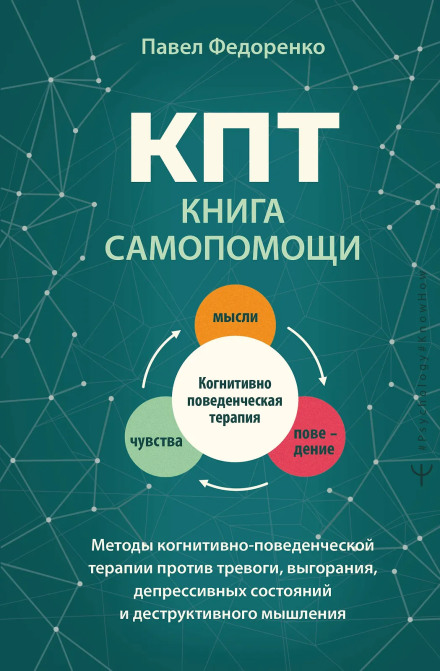
КПТ: книга самопомощи. Методы когнитивно-поведенческой терапии против тревоги, выгорания, депрессивных состояний и деструктивного мышления
7 ч. 54 мин.
Описание
Почему разбросанные носки выводят вас из себя, а кого-то совсем не трогают? Основатель Академии здорового мышления Павел Федоренко показывает, как когнитивно‑поведенческая терапия — самый научно подтвержденный подход в работе с психикой — помогает замечать когнитивные искажения и заменять разрушительные мысли на более здоровые.
Павел Федоренко — магистр психологии, сертифицированный КПТ- и РЭПТ-терапевт, генеральный директор Клиники когнитивной психотерапии, генеральный директор Института Когнитивно-поведенческой психотерапии, основатель Академии здорового мышления.
Представьте, что вы воспринимаете жизнь через запачканные очки: вокруг все кажется мрачным, недружелюбным и несправедливым. Но стоит их очистить — и картинка меняется. Так же происходит и с мышлением: когда мы перестраиваем деструктивные установки, вслед за ними меняются эмоции, поведение и отношение к миру.
На этом основана когнитивно‑поведенческая терапия (КПТ) — наиболее изученный и доказательный метод психологической помощи. Вы научитесь отличать адекватные реакции от невротических и поймете, почему одни и те же события — например, те самые носки — вызывают сильный всплеск чувств именно у вас, тогда как другие остаются спокойны. Освоите дневник мыслей, работу с когнитивными искажениями и другие инструменты КПТ, чтобы постепенно вернуть себе управление жизнью, отношениями и внутренним состоянием.
Доберитесь до настоящих причин своих трудностей и наконец почувствуйте больше спокойствия.
Пять проблем, которые вы сможете решить
• Хроническая тревога. Перестанете катастрофизировать, накручивать себя и бояться выдуманных угроз.
• Токсичная вина. Ослабите чувство вины и позволите себе говорить «нет» без самоедства.
• Разрушительный гнев. Научитесь обходиться со злостью, не срываться на близких и не носить обиды месяцами.
• Низкая самооценка. Замените постоянную самокритику на устойчивое, здоровое принятие себя.
• Эмоциональное выгорание. Справитесь с перфекционизмом и научитесь отдыхать без угрызений совести.
Чтобы получить максимальный эффект, используйте вместе с «КПТ: карты самопомощи».
Павел Федоренко — магистр психологии, сертифицированный КПТ- и РЭПТ-терапевт, генеральный директор Клиники когнитивной психотерапии, генеральный директор Института Когнитивно-поведенческой психотерапии, основатель Академии здорового мышления.
Представьте, что вы воспринимаете жизнь через запачканные очки: вокруг все кажется мрачным, недружелюбным и несправедливым. Но стоит их очистить — и картинка меняется. Так же происходит и с мышлением: когда мы перестраиваем деструктивные установки, вслед за ними меняются эмоции, поведение и отношение к миру.
На этом основана когнитивно‑поведенческая терапия (КПТ) — наиболее изученный и доказательный метод психологической помощи. Вы научитесь отличать адекватные реакции от невротических и поймете, почему одни и те же события — например, те самые носки — вызывают сильный всплеск чувств именно у вас, тогда как другие остаются спокойны. Освоите дневник мыслей, работу с когнитивными искажениями и другие инструменты КПТ, чтобы постепенно вернуть себе управление жизнью, отношениями и внутренним состоянием.
Доберитесь до настоящих причин своих трудностей и наконец почувствуйте больше спокойствия.
Пять проблем, которые вы сможете решить
• Хроническая тревога. Перестанете катастрофизировать, накручивать себя и бояться выдуманных угроз.
• Токсичная вина. Ослабите чувство вины и позволите себе говорить «нет» без самоедства.
• Разрушительный гнев. Научитесь обходиться со злостью, не срываться на близких и не носить обиды месяцами.
• Низкая самооценка. Замените постоянную самокритику на устойчивое, здоровое принятие себя.
• Эмоциональное выгорание. Справитесь с перфекционизмом и научитесь отдыхать без угрызений совести.
Чтобы получить максимальный эффект, используйте вместе с «КПТ: карты самопомощи».
100%
03:51
КПТ: книга самопомощи. Методы когнитивно-поведенческой терапии против тревоги, выгорания, депрессивных состояний и деструктивного мышления 01
22:18
КПТ: книга самопомощи. Методы когнитивно-поведенческой терапии против тревоги, выгорания, депрессивных состояний и деструктивного мышления 02
19:46
КПТ: книга самопомощи. Методы когнитивно-поведенческой терапии против тревоги, выгорания, депрессивных состояний и деструктивного мышления 03
19:50
КПТ: книга самопомощи. Методы когнитивно-поведенческой терапии против тревоги, выгорания, депрессивных состояний и деструктивного мышления 04
13:36
КПТ: книга самопомощи. Методы когнитивно-поведенческой терапии против тревоги, выгорания, депрессивных состояний и деструктивного мышления 05
23:46
КПТ: книга самопомощи. Методы когнитивно-поведенческой терапии против тревоги, выгорания, депрессивных состояний и деструктивного мышления 06
06:50
КПТ: книга самопомощи. Методы когнитивно-поведенческой терапии против тревоги, выгорания, депрессивных состояний и деструктивного мышления 07
07:27
КПТ: книга самопомощи. Методы когнитивно-поведенческой терапии против тревоги, выгорания, депрессивных состояний и деструктивного мышления 08
07:26
КПТ: книга самопомощи. Методы когнитивно-поведенческой терапии против тревоги, выгорания, депрессивных состояний и деструктивного мышления 09
07:48
КПТ: книга самопомощи. Методы когнитивно-поведенческой терапии против тревоги, выгорания, депрессивных состояний и деструктивного мышления 10
08:33
КПТ: книга самопомощи. Методы когнитивно-поведенческой терапии против тревоги, выгорания, депрессивных состояний и деструктивного мышления 11
34:56
КПТ: книга самопомощи. Методы когнитивно-поведенческой терапии против тревоги, выгорания, депрессивных состояний и деструктивного мышления 12
28:21
КПТ: книга самопомощи. Методы когнитивно-поведенческой терапии против тревоги, выгорания, депрессивных состояний и деструктивного мышления 13
25:33
КПТ: книга самопомощи. Методы когнитивно-поведенческой терапии против тревоги, выгорания, депрессивных состояний и деструктивного мышления 14
21:13
КПТ: книга самопомощи. Методы когнитивно-поведенческой терапии против тревоги, выгорания, депрессивных состояний и деструктивного мышления 15
20:37
КПТ: книга самопомощи. Методы когнитивно-поведенческой терапии против тревоги, выгорания, депрессивных состояний и деструктивного мышления 16
21:57
КПТ: книга самопомощи. Методы когнитивно-поведенческой терапии против тревоги, выгорания, депрессивных состояний и деструктивного мышления 17
21:01
КПТ: книга самопомощи. Методы когнитивно-поведенческой терапии против тревоги, выгорания, депрессивных состояний и деструктивного мышления 18
21:59
КПТ: книга самопомощи. Методы когнитивно-поведенческой терапии против тревоги, выгорания, депрессивных состояний и деструктивного мышления 19
20:53
КПТ: книга самопомощи. Методы когнитивно-поведенческой терапии против тревоги, выгорания, депрессивных состояний и деструктивного мышления 20
21:26
КПТ: книга самопомощи. Методы когнитивно-поведенческой терапии против тревоги, выгорания, депрессивных состояний и деструктивного мышления 21
21:27
КПТ: книга самопомощи. Методы когнитивно-поведенческой терапии против тревоги, выгорания, депрессивных состояний и деструктивного мышления 22
19:35
КПТ: книга самопомощи. Методы когнитивно-поведенческой терапии против тревоги, выгорания, депрессивных состояний и деструктивного мышления 23
15:42
КПТ: книга самопомощи. Методы когнитивно-поведенческой терапии против тревоги, выгорания, депрессивных состояний и деструктивного мышления 24
17:08
КПТ: книга самопомощи. Методы когнитивно-поведенческой терапии против тревоги, выгорания, депрессивных состояний и деструктивного мышления 25
15:26
КПТ: книга самопомощи. Методы когнитивно-поведенческой терапии против тревоги, выгорания, депрессивных состояний и деструктивного мышления 26
05:50
КПТ: книга самопомощи. Методы когнитивно-поведенческой терапии против тревоги, выгорания, депрессивных состояний и деструктивного мышления 27
