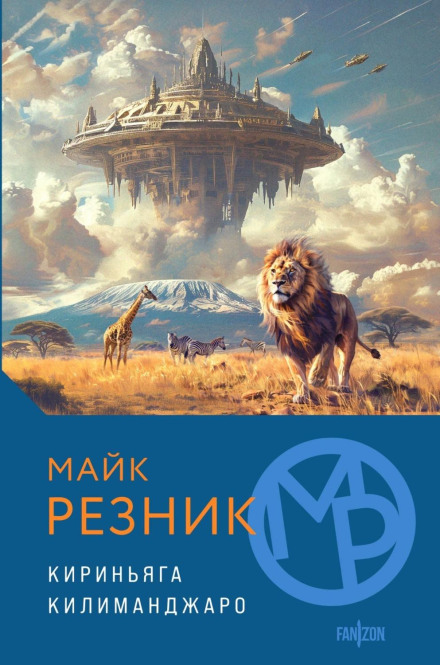
Кириньяга. Килиманджаро
14 ч. 0 мин.
Описание
Две награды «Хьюго», премия «Локус», японская «Сэйун» и китайская «Галактика».
XXII век. Африка охвачена экологическим бедствием: склоны священной кенийской горы Кириньяга застроены, почвы отравлены, а саванна с её зебрами, носорогами, слонами и львами сохранилась лишь в записях. Кориба — образованный представитель народа кикуйю — помнит, что когда-то его племя жило иначе, и решает вернуть утраченную гармонию, создав новую общину вдали от Земли: на терраформированной планете, которую он называет Кириньягой.
Став мундумугу, знахарем и духовным лидером, Кориба ведёт колонистов и возрождает древние обычаи вместе с суровыми правилами кикуйю, фактически единолично определяя судьбу поселения. На пути встают угрозы, способные разрушить хрупкое равновесие: от одарённой девушки, чьё выдающееся мышление подрывает традиционные основания, до вмешательства службы поддержки, имеющей полномочия отменить колониальный устав. При этом сам Кориба тайно поддерживает компьютерную связь с остальным человечеством, скрывая это от соплеменников.
Парадокс в том, что кириньягский замысел рискует провалиться не из-за насилия или алчности, а из-за человеческой жажды знать больше. Кикуйю не способны застыть во времени — так же, как их мир не может перестать вращаться вокруг своего солнца.
Восточноафриканские кикуйю уже пытались построить утопию на терраформированной Кириньяге — и попытка обернулась крахом. Спустя век масаи изучают этот опыт, разбирают допущенные ошибки и готовятся воплотить собственную утопию на планете Килиманджаро, названной в честь горы, где, по их вере, обитает их бог.
Майк Резник — мастер масштабного воображения и ярких миров, лауреат и номинант более чем полутора сотен литературных наград, по праву считается одним из сильнейших рассказчиков жанра.
XXII век. Африка охвачена экологическим бедствием: склоны священной кенийской горы Кириньяга застроены, почвы отравлены, а саванна с её зебрами, носорогами, слонами и львами сохранилась лишь в записях. Кориба — образованный представитель народа кикуйю — помнит, что когда-то его племя жило иначе, и решает вернуть утраченную гармонию, создав новую общину вдали от Земли: на терраформированной планете, которую он называет Кириньягой.
Став мундумугу, знахарем и духовным лидером, Кориба ведёт колонистов и возрождает древние обычаи вместе с суровыми правилами кикуйю, фактически единолично определяя судьбу поселения. На пути встают угрозы, способные разрушить хрупкое равновесие: от одарённой девушки, чьё выдающееся мышление подрывает традиционные основания, до вмешательства службы поддержки, имеющей полномочия отменить колониальный устав. При этом сам Кориба тайно поддерживает компьютерную связь с остальным человечеством, скрывая это от соплеменников.
Парадокс в том, что кириньягский замысел рискует провалиться не из-за насилия или алчности, а из-за человеческой жажды знать больше. Кикуйю не способны застыть во времени — так же, как их мир не может перестать вращаться вокруг своего солнца.
Восточноафриканские кикуйю уже пытались построить утопию на терраформированной Кириньяге — и попытка обернулась крахом. Спустя век масаи изучают этот опыт, разбирают допущенные ошибки и готовятся воплотить собственную утопию на планете Килиманджаро, названной в честь горы, где, по их вере, обитает их бог.
Майк Резник — мастер масштабного воображения и ярких миров, лауреат и номинант более чем полутора сотен литературных наград, по праву считается одним из сильнейших рассказчиков жанра.
100%
22:08
01
55:14
02
1:06:22
03
1:04:56
04
54:29
05
1:21:52
06
51:43
07
53:31
08
1:17:31
09
1:06:55
10
1:15:20
11
05:17
12
14:10
13
09:31
14
21:17
15
22:53
16
29:54
17
21:06
18
25:14
19
21:24
20
