Крапля горя
39 хв.
Мова
російська
Автор
Володимир Бутенко
Автор
Володимир Бутенко
Читець
Юрій Заборовський
Читець
Юрій Заборовський
Опис
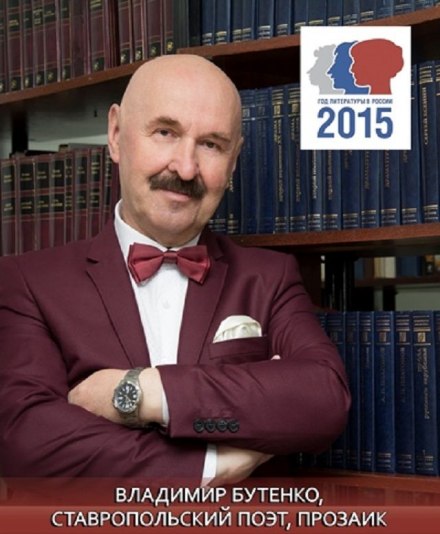
Володимир Бутенко — сучасний письменник, поет, публіцист, бард із Ставрополя; автор 14 книг; лауреат багатьох літературних премій, зокрема «День Перемоги» — 1995, імені Семёна Бабаєвського — 1996, за найкращий прозовий твір журналу «Наш современник» — 2011; двічі удостоєний губернаторської премії 2005 і 2007 років; нагороджений орденом «За відродження козацтва».
Основна проблема його творчості — доля козацтва.
В. П. Бутенко народився 30 травня 1952 року в хуторі Дар’ївка Родіоново-Несвєтайського району Ростовської області в сім’ї сільських учителів. Дід по батьковій лінії, Нікіта Якович, був узятий із Новочеркаського козацького притулку та усиновлений подружжям Бутенків, яке дало йому своє прізвище. Батько письменника Павло Нікітич — учасник Великої Вітчизняної війни — пройшов її до останніх залпів Перемоги, воюючи за Кавказ, у Карелії та Норвегії, за що був відзначений багатьма бойовими нагородами. Читати й писати В. П. Бутенку навчила мати. А пристрасть до гри на балалайці та гітарі прищепив батько — здібний музикант. Особливий світ донської природи, українські й козацькі пісні, самобутні й мужні характери хуторян, казки та твори російської класики рано пробудили в ньому інтерес до літературної й музичної творчості.
Перше віршування Володимир Бутенко «опублікував» у рукописному шкільному журналі «Підсніжник» у дванадцять років. Під час навчання в Ставропольському медичному інституті він відвідував літгрупу при газеті «Молодой ленинец», яку очолював поет Александр Мосинцев. Сім років Бутенко працював стоматологом у селищі Цілина Ростовської області, а потім повернувся до Ставрополя. Тут були опубліковані його перші книги — «Зимовий багаття» (1983), «Хуторські криниці» (1984), «Очікування друга» (1987), які дозволили Володимиру Бутенку в 1988 році стати членом Спілки письменників СРСР.
Протягом трьох років (з 1989 по 1992 рік) письменник очолював альманах «Ставропілля», в якому тоді вперше в периферійному виданні наважилися надрукувати главу з епопеї О. Солженіцина «Червоне колесо». Альманах заново відкрив читачам ім’я чудового російського письменника-земляка І. Сургучьова, надрукувавши кілька його маловідомих творів.
У 1990-ті роки В. П. Бутенко працював на ставропольському радіо одним із редакторів. Як поет і музикант, він гастролював містами півдня Росії, давав концерти в Москві, брав участь у фестивалі «Слов’янський базар» у Вітебську.
Виступав зі своїми піснями в різних аудиторіях. Вийшло 5 сольних магнітоальбомів.
Основна проблема його творчості — доля козацтва.
В. П. Бутенко народився 30 травня 1952 року в хуторі Дар’ївка Родіоново-Несвєтайського району Ростовської області в сім’ї сільських учителів. Дід по батьковій лінії, Нікіта Якович, був узятий із Новочеркаського козацького притулку та усиновлений подружжям Бутенків, яке дало йому своє прізвище. Батько письменника Павло Нікітич — учасник Великої Вітчизняної війни — пройшов її до останніх залпів Перемоги, воюючи за Кавказ, у Карелії та Норвегії, за що був відзначений багатьма бойовими нагородами. Читати й писати В. П. Бутенку навчила мати. А пристрасть до гри на балалайці та гітарі прищепив батько — здібний музикант. Особливий світ донської природи, українські й козацькі пісні, самобутні й мужні характери хуторян, казки та твори російської класики рано пробудили в ньому інтерес до літературної й музичної творчості.
Перше віршування Володимир Бутенко «опублікував» у рукописному шкільному журналі «Підсніжник» у дванадцять років. Під час навчання в Ставропольському медичному інституті він відвідував літгрупу при газеті «Молодой ленинец», яку очолював поет Александр Мосинцев. Сім років Бутенко працював стоматологом у селищі Цілина Ростовської області, а потім повернувся до Ставрополя. Тут були опубліковані його перші книги — «Зимовий багаття» (1983), «Хуторські криниці» (1984), «Очікування друга» (1987), які дозволили Володимиру Бутенку в 1988 році стати членом Спілки письменників СРСР.
Протягом трьох років (з 1989 по 1992 рік) письменник очолював альманах «Ставропілля», в якому тоді вперше в периферійному виданні наважилися надрукувати главу з епопеї О. Солженіцина «Червоне колесо». Альманах заново відкрив читачам ім’я чудового російського письменника-земляка І. Сургучьова, надрукувавши кілька його маловідомих творів.
У 1990-ті роки В. П. Бутенко працював на ставропольському радіо одним із редакторів. Як поет і музикант, він гастролював містами півдня Росії, давав концерти в Москві, брав участь у фестивалі «Слов’янський базар» у Вітебську.
Виступав зі своїми піснями в різних аудиторіях. Вийшло 5 сольних магнітоальбомів.
100%
10:22
01-kaplya-gorya
10:03
02-kaplya-gorya
10:03
03-kaplya-gorya
09:31
04-kaplya-gorya
