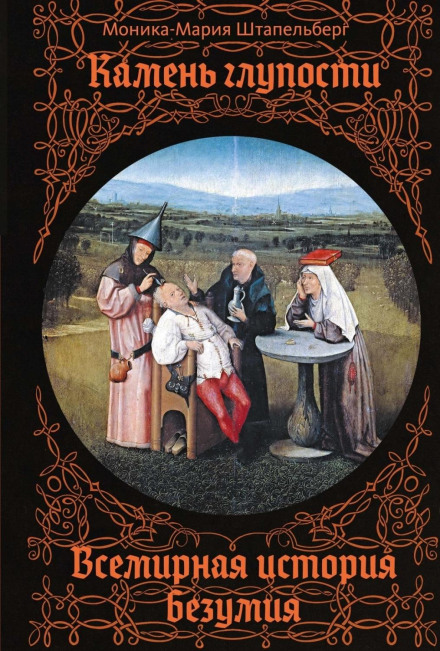
Камінь дурості. Всесвітня історія божевілля
10 год. 19 хв.
Мова
російська
Автор
Моніка-Марія Штапельберг
Автор
Моніка-Марія Штапельберг
Читець
Анна Летура
Читець
Анна Летура
Опис
Кого вважати божевільним? У різні епохи відповідь на це запитання змінювалася. Психіатрія як самостійна сфера оформилася лише в середині XIX століття, увібравши в себе уявлення та практики попередніх століть. Колись людей із розладами вважали чаклунами, пізніше їх ізолювали в закладах, де майже не думали про гуманність. І навіть монархи не були захищені від душевних недуг.
Шлях психіатрії пролягав через темні сторінки євгеніки та густу мережу упереджень. Жіночі хвороби нерідко пояснювали «збоями» репродуктивної системи, мастурбацію оголошували причиною помішання, чоловіків «лікували» кастрацією, а для обох статей практикували обрізання. На сторінках цієї книги ви зустрінете Гіппократа і Галена, Мішеля Фуко та Георга III — і побачите, як по-різному людство розуміло й описувало безумство.
«Наше уявлення про психічне здоров’я та психічні розлади разюче відрізняється від того, яким воно було у ранніх цивілізацій, і продовжує змінюватися в міру того, як зростають знання та поглиблюється розуміння людської психіки. Тому слово “безумство” — лише спотворена формула для постійно зсувних і хитких суспільних цінностей. Упродовж століть ідея безумства відображала соціальний, культурний і інтелектуальний устрій суспільства та спосіб мислення кожної епохи — саме на цьому я й зосереджуюся в цій книзі» (Моника-Марія Штапельберг).
Шлях психіатрії пролягав через темні сторінки євгеніки та густу мережу упереджень. Жіночі хвороби нерідко пояснювали «збоями» репродуктивної системи, мастурбацію оголошували причиною помішання, чоловіків «лікували» кастрацією, а для обох статей практикували обрізання. На сторінках цієї книги ви зустрінете Гіппократа і Галена, Мішеля Фуко та Георга III — і побачите, як по-різному людство розуміло й описувало безумство.
«Наше уявлення про психічне здоров’я та психічні розлади разюче відрізняється від того, яким воно було у ранніх цивілізацій, і продовжує змінюватися в міру того, як зростають знання та поглиблюється розуміння людської психіки. Тому слово “безумство” — лише спотворена формула для постійно зсувних і хитких суспільних цінностей. Упродовж століть ідея безумства відображала соціальний, культурний і інтелектуальний устрій суспільства та спосіб мислення кожної епохи — саме на цьому я й зосереджуюся в цій книзі» (Моника-Марія Штапельберг).
100%
11:26
00
19:56
01
50:02
02
1:03:56
03
1:23:08
04
1:15:55
05
30:27
06
12:55
07
17:13
08
23:39
09
24:31
10
1:09:32
11
18:59
12
1:11:27
13
46:34
14
