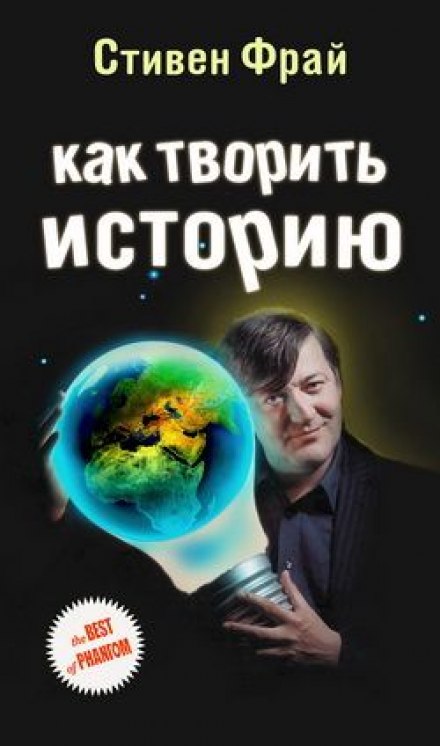
Как творить историю
15 ч. 7 мин.
Описание
Майкл Янг, аспирант из Кембриджа, уверен, что написал отличную диссертацию, посвященную истокам нацизма, и уже предвкушает блестящую университетскую карьеру. Для историка знание прошлого гораздо важнее фантазий о будущем, но судьба предоставляет Майклу совсем иной шанс: вместо спокойной, но скучной академической карьеры заново сотворить будущее, а заодно историю последних шести десятков лет. А в напарники ему определен престарелый немецкий физик Лео Цуккерман, чью душу изъела мрачная тайна, тянущаяся из самых темных лет XX века. С помощью машины времени, изобретенной Лео, они намерены подбросить в воду, которую глушит с похмелья Алоиз Гитлер, пилюли бесплодия. Но все оказывается совсем не так замечательно, как рисовала себе прекраснодушная парочка из английского академического рая. Мир действительно изменился. Коренным и невероятным образом. Вот только стал ли он лучше?
Стивен Фрай, не изменяя своей саркастической манере, размышляет об истории и о том, что страшнее: абсолютное зло или добрая воля. Но вряд ли стоит искать в его книге ответы на глобальные вопросы. Фрай не отвечает, он спрашивает.
Стивен Фрай, не изменяя своей саркастической манере, размышляет об истории и о том, что страшнее: абсолютное зло или добрая воля. Но вряд ли стоит искать в его книге ответы на глобальные вопросы. Фрай не отвечает, он спрашивает.
100%
05:12
01_01_01
05:02
01_01_02
05:13
01_01_03
05:17
01_01_04
05:20
01_01_05
05:15
01_01_06
05:17
01_01_07
05:09
01_01_08
05:16
01_01_09
05:11
01_01_10
05:19
01_01_11
03:25
01_01_12
05:13
01_02_01
05:09
01_02_02
05:16
01_02_03
05:10
01_02_04
05:04
01_02_05
05:08
01_02_06
05:03
01_02_07
05:27
01_02_08
05:50
01_02_09
05:45
01_02_10
05:07
01_02_11
02:56
01_02_12
05:26
01_03_01
05:20
01_03_02
05:54
01_03_03
05:20
01_03_04
06:12
01_03_05
05:16
01_03_06
05:05
01_03_07
05:05
01_03_08
05:02
01_03_09
05:32
01_03_10
05:07
01_03_11
01:58
01_03_12
05:28
01_04_01
05:07
01_04_02
05:06
01_04_03
05:02
01_04_04
05:05
01_04_05
05:14
01_04_06
05:27
01_04_07
05:06
01_04_08
05:06
01_04_09
05:27
01_04_10
05:03
01_04_11
03:54
01_04_12
05:28
02_01_01
05:13
02_01_02
05:13
02_01_03
05:12
02_01_04
05:14
02_01_05
05:08
02_01_06
05:11
02_01_07
05:08
02_01_08
05:20
02_01_09
05:50
02_01_10
05:12
02_01_11
02:49
02_01_12
05:06
02_02_01
05:01
02_02_02
05:04
02_02_03
05:07
02_02_04
05:34
02_02_05
05:03
02_02_06
05:13
02_02_07
05:14
02_02_08
05:35
02_02_09
05:14
02_02_10
05:04
02_02_11
04:11
02_02_12
05:21
02_03_01
05:47
02_03_02
05:10
02_03_03
05:47
02_03_04
05:02
02_03_05
05:11
02_03_06
05:22
02_03_07
05:16
02_03_08
05:03
02_03_09
05:20
02_03_10
05:12
02_03_11
02:35
02_03_12
05:23
02_04_01
05:15
02_04_02
05:04
02_04_03
05:02
02_04_04
05:03
02_04_05
05:23
02_04_06
05:01
02_04_07
05:08
02_04_08
05:08
02_04_09
05:14
02_04_10
05:02
02_04_11
04:43
02_04_12
05:28
03_01_01
05:05
03_01_02
05:03
03_01_03
05:19
03_01_04
05:02
03_01_05
05:12
03_01_06
05:07
03_01_07
05:02
03_01_08
05:11
03_01_09
05:03
03_01_10
05:04
03_01_11
04:29
03_01_12
05:09
03_02_01
05:03
03_02_02
05:06
03_02_03
05:04
03_02_04
05:08
03_02_05
05:11
03_02_06
05:06
03_02_07
05:04
03_02_08
05:02
03_02_09
05:20
03_02_10
05:14
03_02_11
04:49
03_02_12
06:12
03_03_01
05:12
03_03_02
05:07
03_03_03
05:11
03_03_04
05:12
03_03_05
05:09
03_03_06
05:11
03_03_07
05:06
03_03_08
07:00
03_03_09
05:14
03_03_10
06:34
03_03_11
05:09
03_04_01
05:03
03_04_02
05:02
03_04_03
05:06
03_04_04
05:02
03_04_05
05:02
03_04_06
05:06
03_04_07
05:03
03_04_08
05:22
03_04_09
05:04
03_04_10
05:25
03_04_11
04:48
03_04_12
05:24
04_01_01
05:03
04_01_02
05:06
04_01_03
05:08
04_01_04
05:06
04_01_05
05:05
04_01_06
05:10
04_01_07
05:05
04_01_08
03:01
04_01_09
05:13
04_02_01
05:33
04_02_02
07:04
04_02_03
05:23
04_02_04
05:32
04_02_05
05:19
04_02_06
05:49
04_02_07
04:50
04_02_08
06:40
04_03_01
09:22
04_03_02
05:13
04_03_03
05:09
04_03_04
05:03
04_03_05
05:28
04_03_06
03:28
04_03_07
05:18
04_04_01
05:08
04_04_02
05:03
04_04_03
05:05
04_04_04
05:06
04_04_05
05:08
04_04_06
05:10
04_04_07
05:02
04_04_08
03:17
04_04_09
