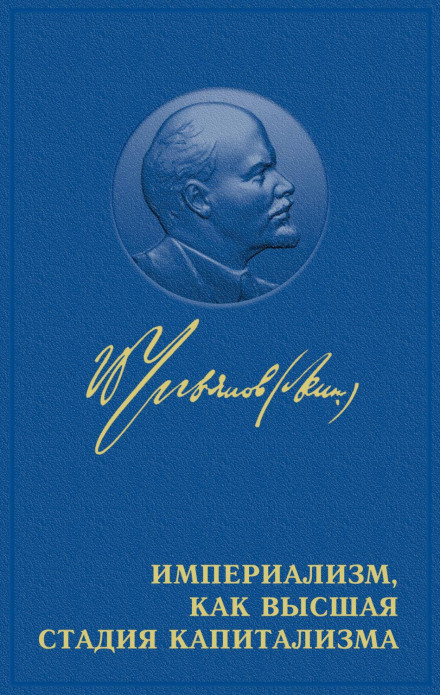
Империализм как высшая стадия капитализма
4 ч. 49 мин.
Описание
Экономист и журналист, лидер подпольной партии и основатель первого в истории государства рабочих и крестьян, – мало кто другой повлиял на судьбу России и мира в XX веке так, как Владимир Ленин. Живет ли дело Ленина сегодня – вопрос открытый. А вот его книги – несомненно. Элиты могут сколько угодно договариваться о том, что литература, а что нет, какая форма – нормативная, а какая – маргинальная, но когда появляется литератор Ленин, все общепринятые каноны попросту девальвируются и отменяются. Все это еще раз подтверждает марксистский тезис о том, что подлинная литература есть, прежде всего, социальная практика. Вечноживой ленинский нон-фикшен, в котором, с точки зрения экономиста, объясняется подоплека Первой мировой войны и дается ключ ко всей мировой истории ХХ века, вплоть до войн в Сирии и Донбассе. Очерк был написан в 1916 г. в швейцарской эмиграции. Опасаясь изъятия тиража цензурой, Ленин, по собственному признанию, «не только был вынужден строжайше ограничить себя исключительно теоретическим – экономическим в особенности – анализом, но и формулировать политические замечания с громаднейшей осторожностью, намёками, тем эзоповским – проклятым эзоповским – языком, к которому царизм заставлял прибегать всех революционеров, когда они брали в руки перо для „легального“ произведения».
