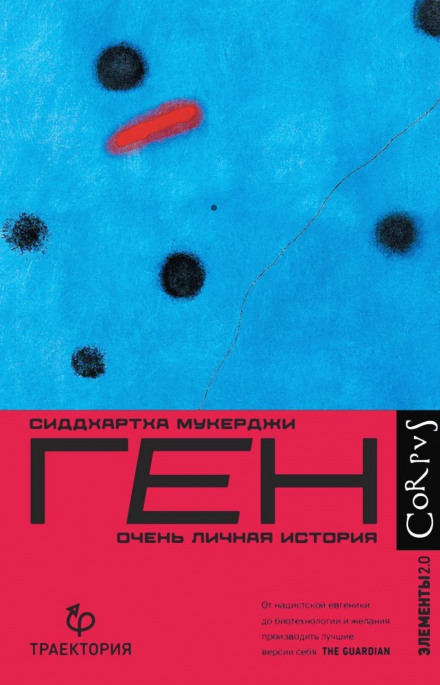
Ген. Очень личная история
22 ч. 33 мин.
Описание
Перед читателем три взаимопроникающие биографии: идеи гена, человеческого общества в ходе ее разработки и семьи автора, в которую эта идея проникла с багажом наследственного психического заболевания. На страницах этой эпохальной книги концепция гена зарождается в смутных догадках Аристотеля об информационной природе наследственности и в представлениях Парацельса о гомункулах, вплетается в образы людей, создававших генетику в XIX–XX веках, вовлекается в евгенические проекты и эволюционирует в технологии редактирования геномов. Наблюдая влияние генов на клеточные и человеческие судьбы как ученый и врач, чью собственную семью преследует наследственный недуг, Мукерджи пропитывает научную историю драмами людей с генетическими болезнями и обозначает этические вызовы, с которыми мы столкнулись, научившись “читать” и “писать” на языке ДНК.
