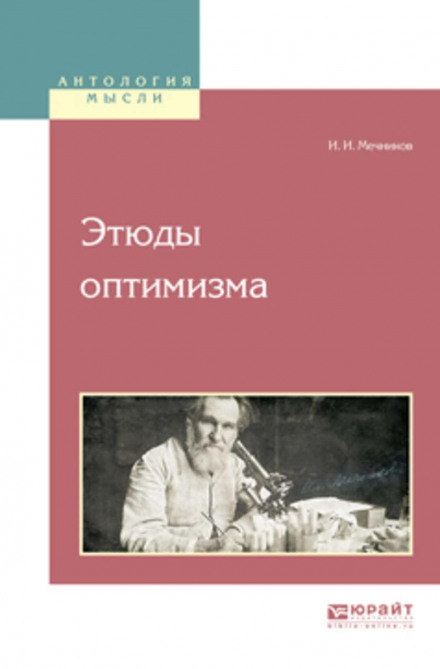
Етюди оптимізму
6 год. 35 хв.
Опис
Студія «МедиаКнига» представляє аудіокнигу російського та французького біолога (мікробіолога, цитолога, ембріолога, імунолога, фізіолога та патолога). Лауреата Нобелівської премії в галузі фізіології та медицини — «Етюди оптимізму». “У Вогняній Землі, коли загрожує голод, старих убивають і поїдають раніше, ніж візьмуться за собак. Місцеві пояснюють це тим, що собаки ловлять моржів, тоді як старі цього зробити не можуть. У деяких індіанців Північної Америки принаймні половина старих людей кидається на свавілля долі в тому випадку, коли вони не можуть ходити. Це вважають звичним і виправдовують тим, що краще померти, ніж тягнути марне, сповнене страждань старече існування. Цивілізовані народи не роблять так, як мешканці Вогняної Землі чи інші дикуни; вони не вбивають і не їдять своїх старих, але все ж життя останніх часто стає дуже тяжким. На них дивляться як на тягар, бо вони не можуть бути корисними ні в сім’ї, ні в суспільстві. Не вважаючи себе вправі позбутися їх, люди все ж бажають їхньої смерті й дивуються, чому так довго не настає бажаний кінець. Італійці думають, що у старих жінок сім життів: бергамаски наділяють їх сім’єю душами, ще маленькою восьмою — та й ще половинкою; литовці вважають старих такими живучими, що їх не можна навіть перемолоти в млині. І. І. Мечников, «Етюди оптимізму». Слухаємо, лайкаємо, активно коментуємо! )
